Find a starting point
Explore a creator’s tutorial, files or demonstration. See what is documented and what still needs checking.
Browse the ideas board →

Find a promising project. See what is missing. Use CAIBI guidance and AI prompts to develop the code, plan an enclosure and test your next step.
New to making with AI? Start with a small exercise →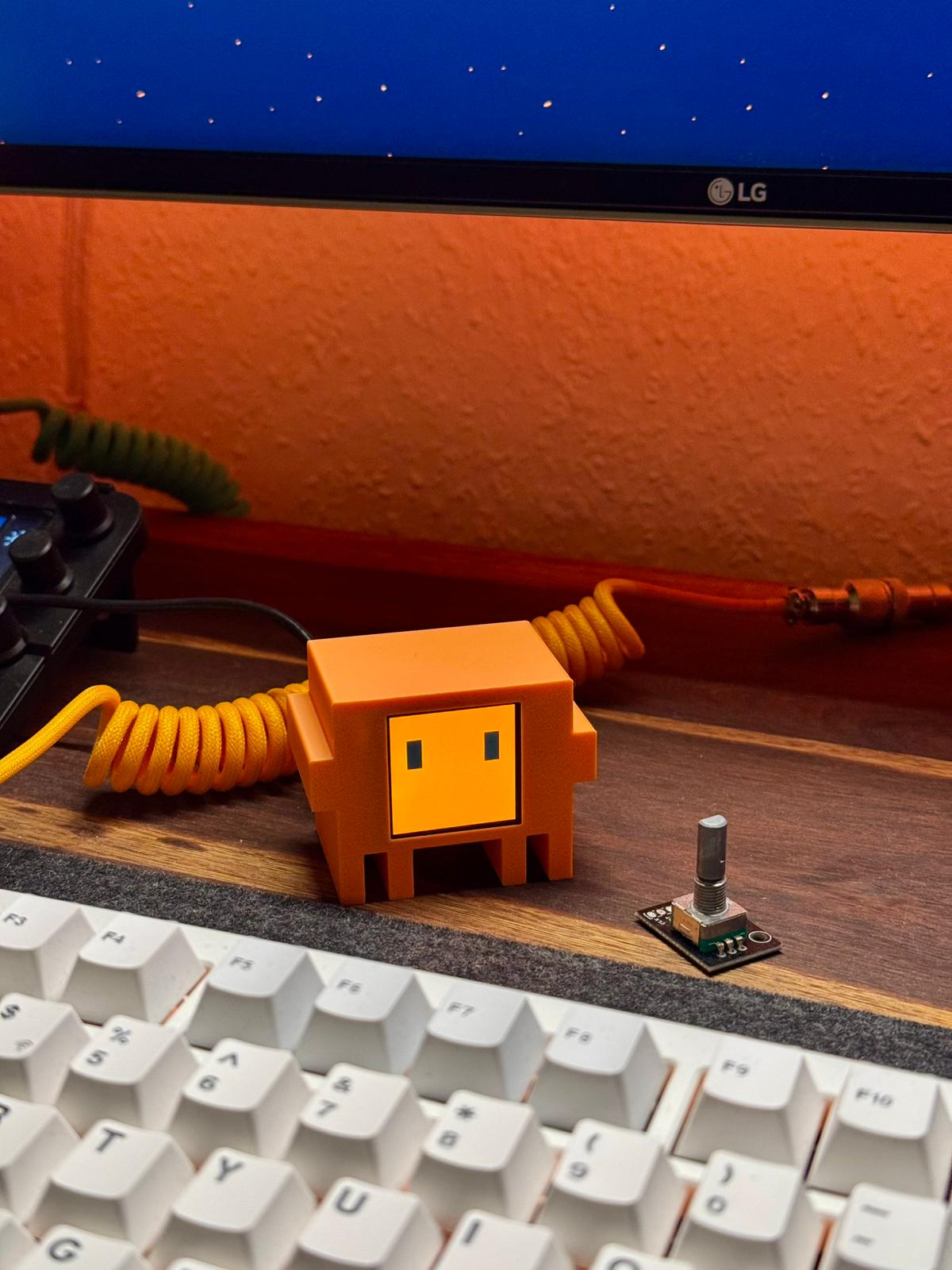
A tutorial can get a sensor working. Turning it into a useful room display still needs decisions about power, controls, a case and testing. CAIBI helps you work through those gaps.
Explore a creator’s tutorial, files or demonstration. See what is documented and what still needs checking.
Browse the ideas board →Use a proposed build route, AI prompts and practical checks to explore the code, parts and physical design.
From sensor tutorial to room display →Contribute a design, a working build or what went wrong. Guidance is a starting point; physical results provide the evidence.
Help develop a build →Useful displays, expressive companions and small builds. Guidance ready means steps and prompts, not a physically verified result.
 Source reference
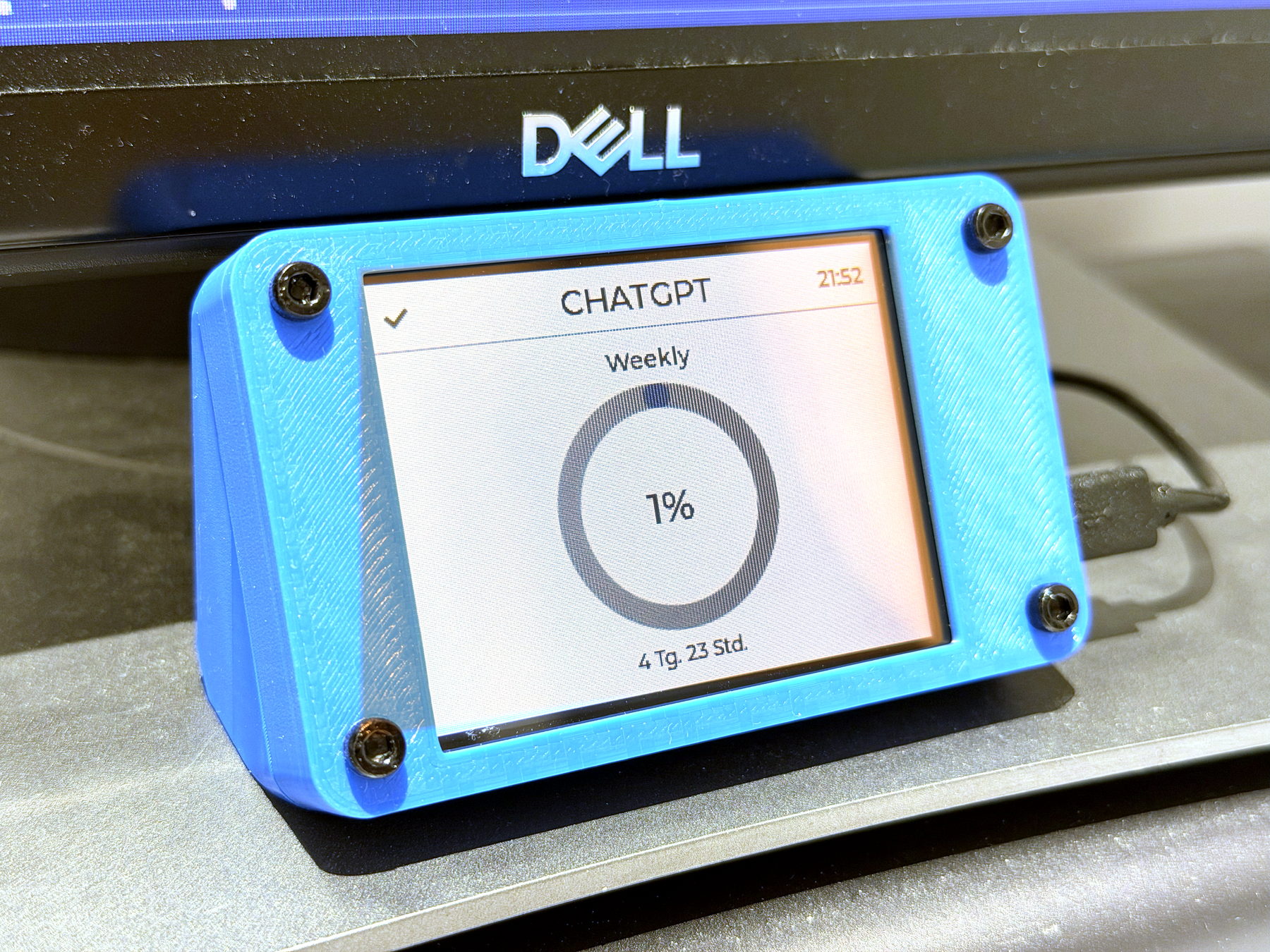
Keep your AI account usage visible on a small screen beside your computer.
CAIBI suggestsProve one account can supply usage locally, then connect the matching display. Add a measured stand after the data path works.
Toby Marks: AI Monitor source and releases · Source image; not a CAIBI build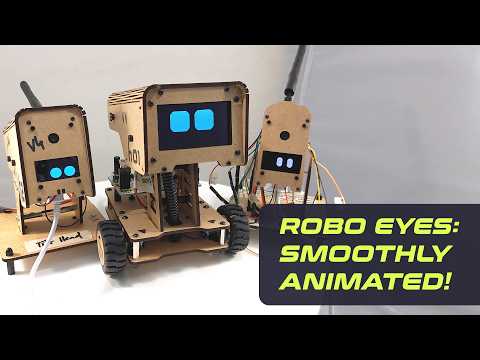 Source reference
A small character that blinks, changes expression and responds to a button. Give it a personality through animation and an original printed shell.
CAIBI suggestsStart with USB power, a supported display and three expressions. Add one input and idle sleep before considering voice or moving parts.
FluxGarage RoboEyes · Source image; not a CAIBI build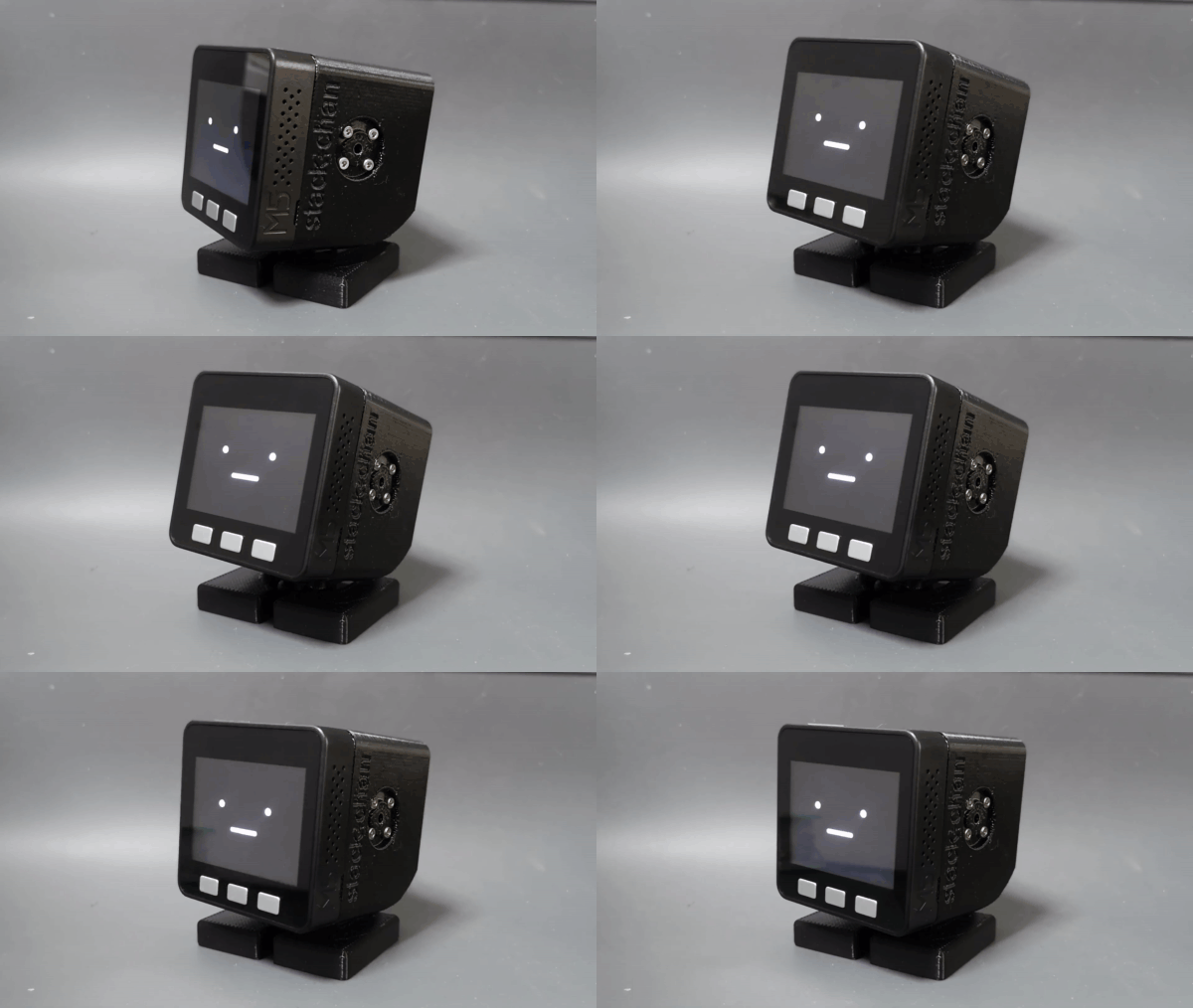 Source reference
Make an expressive desk robot, starting with a screen face and adding controlled head movement.
CAIBI suggestsChoose one documented core/PCB/servo/case combination, prove it on the bench, then print the matching enclosure. Personalise behaviour before adding voice services.
Open hardware and software · Source image; not a CAIBI build
A control whose physical feel is defined in software.
BUILD FOR THE EXPERIENCESmartKnob · Scott Bezek ↗
Time-consuming advanced build
The creator explicitly says the total is not yet fully tallied, but estimates a single build is probably under $200 and likely around $100 to $150 depending on fabrication and minimum-order quantities.
Excludes: Advanced soldering/rework tools; Minimum-order waste; Shipping from multiple suppliers.
Cost checked 4 Sep 2026.
Scott Bezek ↗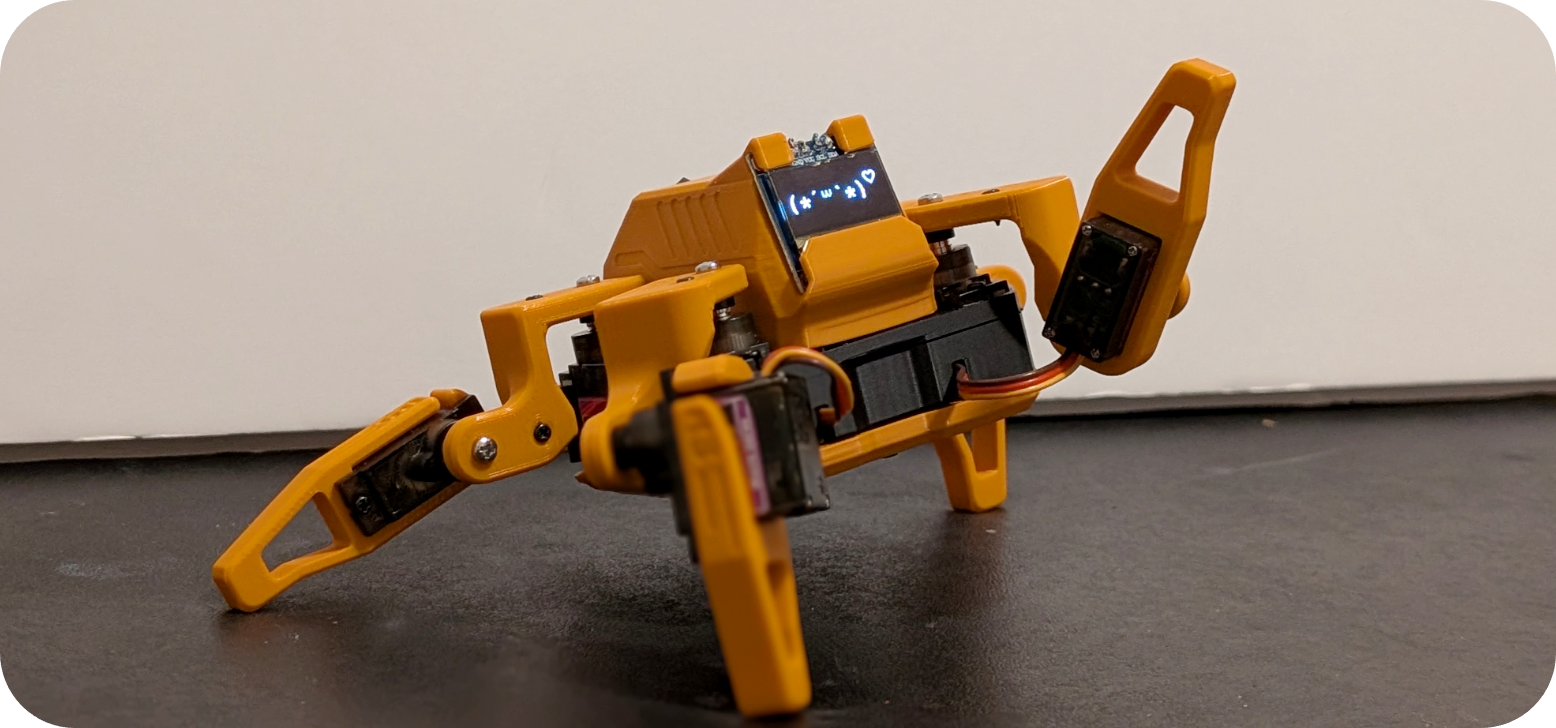
Sesame Robot · Dorian Todd ↗
Weekend+
Creator-published total parts range, with GBP shown as an approximate conversion.
Excludes: 3D printer ownership; Shipping; Optional batteries or upgrades.
Cost checked 4 Sep 2026.
Dorian Todd ↗
Open firmware that turns a 32x8 WS2812 pixel clock into a local notification and information display for Home Assistant, MQTT or HTTP. AWTRIX 3 was archived in August 2026; its author now directs every new install to the rewrite, AWTRIX NG, which runs on the same Ulanzi TC001 or on a self-built ESP32 and LED matrix.
WORTH CONSIDERINGSource reference: the AWTRIX 3 repository card, not a CAIBI build photograph · Stephan Mühl (Blueforcer) ↗
Under an hour to flash; weekend to scratch build (CAIBI estimate)
Scratch-build core parts from current retailer prices. The verified UK items total £36.70 at The Pi Hut. The UK panel price is an approximate conversion from BTF-Lighting USD prices because no UK retailer price could be verified, which is why confidence is low. The US figure uses Adafruit and BTF-Lighting prices plus a small capacitor allowance. None of this is needed on the bought route: a Ulanzi TC001 costs £37 / $45.99 at Ulanzi and the firmware is free.
Excludes: Enclosure or 3D printing; Diffuser acrylic; Optional buttons, light sensor, temperature sensor, buzzer and level shifter; Battery and charger; Shipping and any UK import charges on the panel; MQTT broker or Home Assistant host; Computer and USB cable.
Cost checked 24 Sep 2026.
Stephan Mühl (Blueforcer) ↗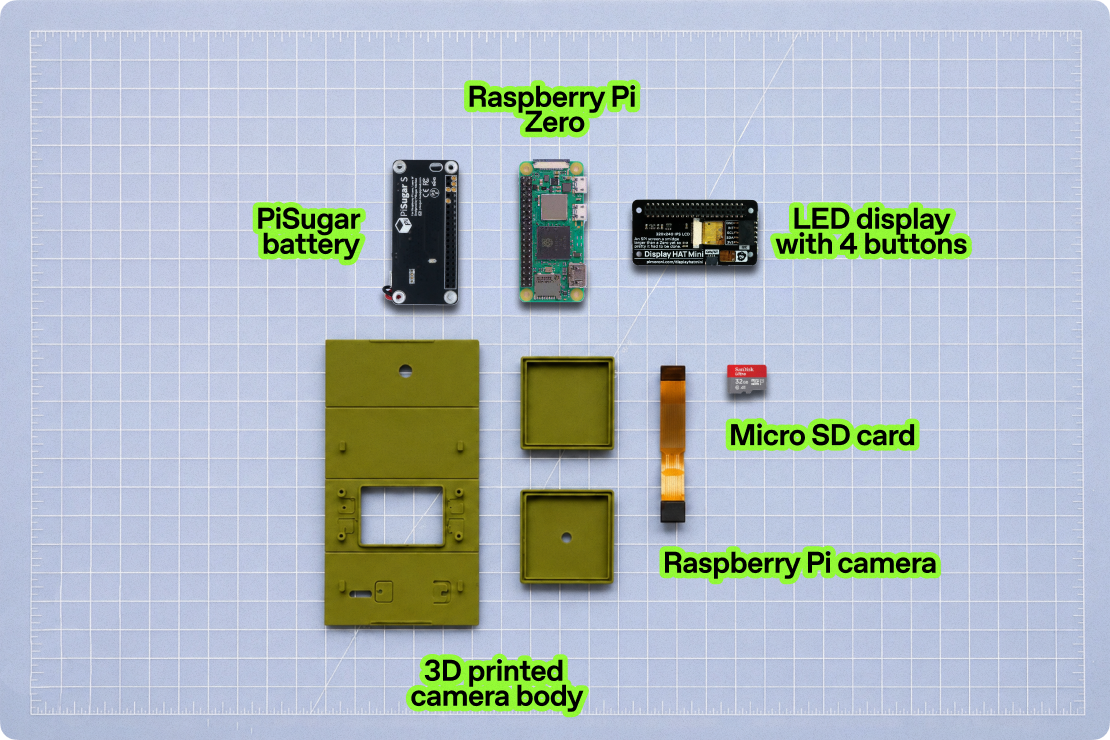
Source parts layout for ImageGenCam · OpenAI · Apache-2.0 ↗
Not published
Current representative prices for the published Raspberry Pi, display, camera, battery and storage parts. The source publishes the parts list but not a complete total.
Excludes: 3D printer ownership or print service; Shipping from multiple suppliers; Computer and OpenAI account.
Cost checked 4 Sep 2026.
OpenAI ↗Know the cost, the tools and the difficult parts. These projects have a CAIBI assessment; that does not mean we have physically built them.
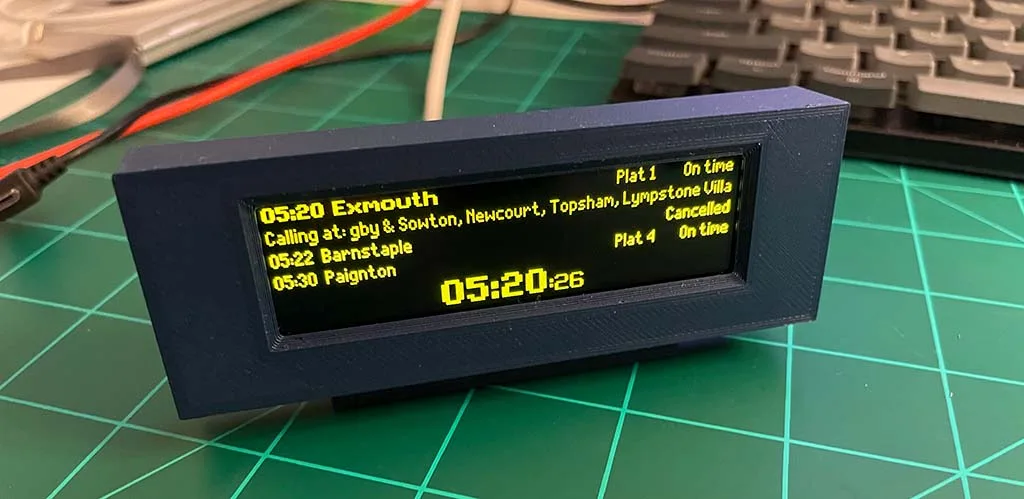
A desk-sized replica of a UK station departure board showing live departures for one chosen station, built from a Raspberry Pi Zero 2 W or an ESP32 and a 256x64 SSD1322 OLED panel in a 3D-printed case.
WORTH CONSIDERINGCreator photograph of a completed departure board · Chris Crocker-White (chrisys) ↗
One or two sessions, plus data-feed changes (CAIBI estimate)
Built from current retailer prices for the Raspberry Pi route. The panel price is from Newhaven Display (US, USD); CAIBI could not read a current AliExpress, Amazon or UK distributor price, so the UK panel figure is an approximate conversion (~£28) and excludes international shipping. The low end assumes a microSD card is already owned. Several US items were listed out of stock on the check date. US range sums the priced US items (Pi Zero 2 W, panel, supply, jumper wires); no in-stock US microSD price was verified, so it is excluded.
Excludes: 3D printing, filament or print service; M1.2 and M1.7 self-tapping screws; Shipping and import charges, especially for the panel; Rail Data Marketplace access (free within the published limit); Time to adapt the data code.
Cost checked 24 Sep 2026.
Chris Crocker-White (chrisys), building on work by Chris Hutchinson and Blake (ghostseven) ↗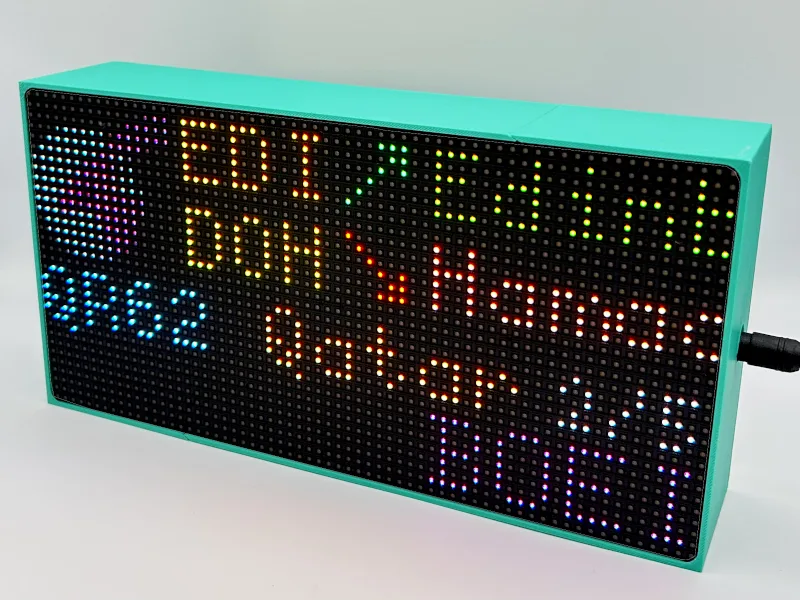
A Raspberry Pi drives a 64x32 HUB75 RGB LED matrix through an Adafruit RGB Matrix Bonnet to show the route, flight number and aircraft type of planes passing overhead, with a clock, weather and satellite passes when the sky is empty.
BUILD ITCreator photograph of the flight tracker in its 3D-printed case · Colin Waddell ↗
Evening to weekend (CAIBI estimate)
Sum of current retailer prices for the core parts. The UK low end uses a Waveshare 1:16-scan panel and assumes a microSD card is already owned; the high end uses the Adafruit panel and a new card. The US range uses Adafruit and PiShop.us prices; the low end assumes a card is owned. The UK supply is a Mean Well desktop unit plus a separate UK mains cable. Several US Raspberry Pi and microSD listings were out of stock on the check date.
Excludes: Enclosure or 3D printing; Diffusion acrylic; Shipping; Optional local ADS-B receiver; Any paid flight data API; Computer used for setup.
Cost checked 24 Sep 2026.
Colin Waddell / FlightTracker ↗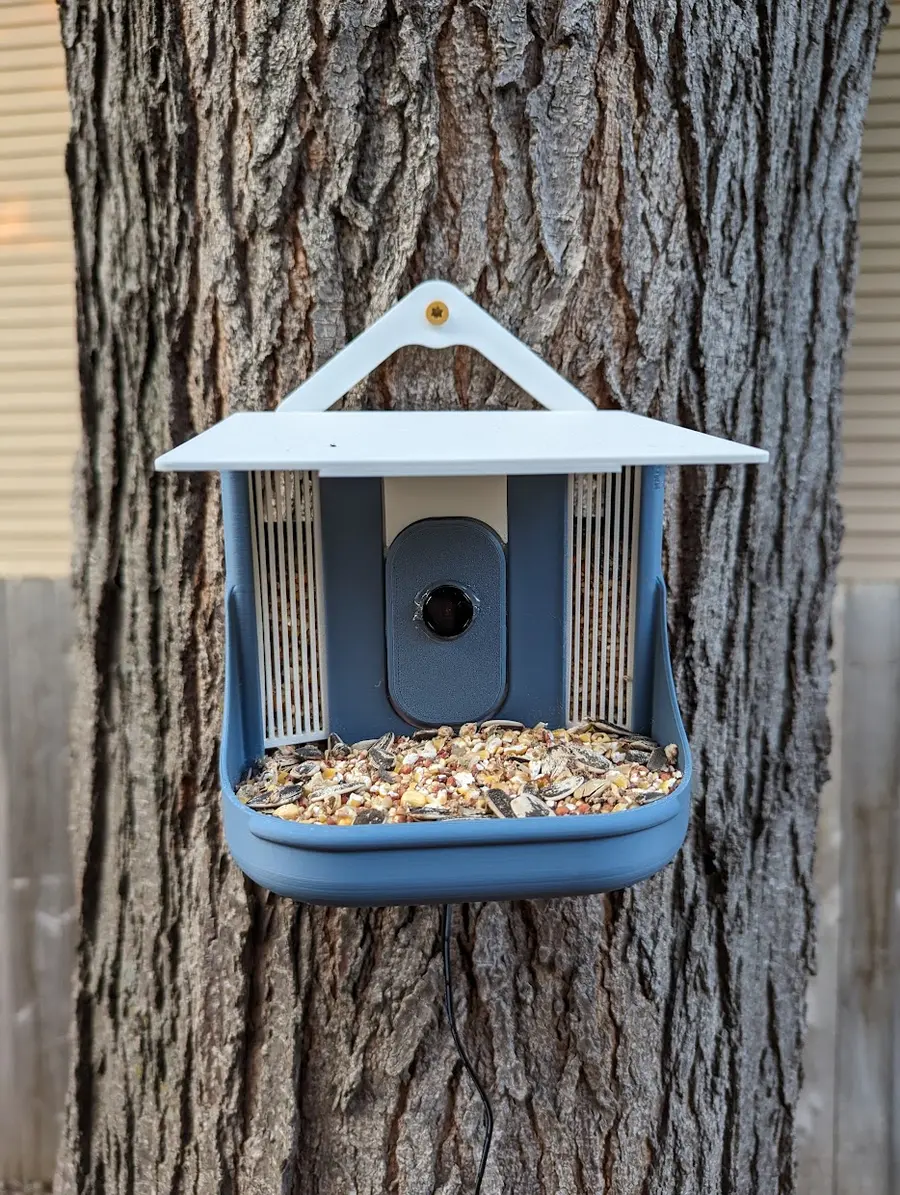
A 3D-printed feeder with a Raspberry Pi fisheye camera that streams to Frigate on a separate always-on computer, where a local bird classifier names the species of each visitor.
BUY INSTEADCreator photograph of the BirdBrain feeder mounted on a tree (CC BY) · miak3D / BirdBrain on Printables, CC BY ↗
Multi-stage: printing plus Frigate setup (no source time)
Current prices for the source-specified Pi, camera, cable, supply, card and one spool of filament. The low end is the listed parts; the high end allows for a lens cover, adhesive, fixings and outdoor cable management that the source does not price. The Raspberry Pi Zero 2 W was out of stock at The Pi Hut, Pimoroni, Adafruit and SparkFun on 24 Sep 2026; PiShop.us listed it with a one-per-order limit.
Excludes: Always-on computer for Frigate (for example a Beelink EQ14 N150 mini PC, $385 pre-order on bee-link.com on 24 Sep 2026; no GBP price verified); 3D printer ownership or print service; Outdoor socket or any fixed electrical work; Bird seed, pole or bracket; Shipping.
Cost checked 24 Sep 2026.
miak3D / BirdBrain on Printables, using Frigate NVR bird classification ↗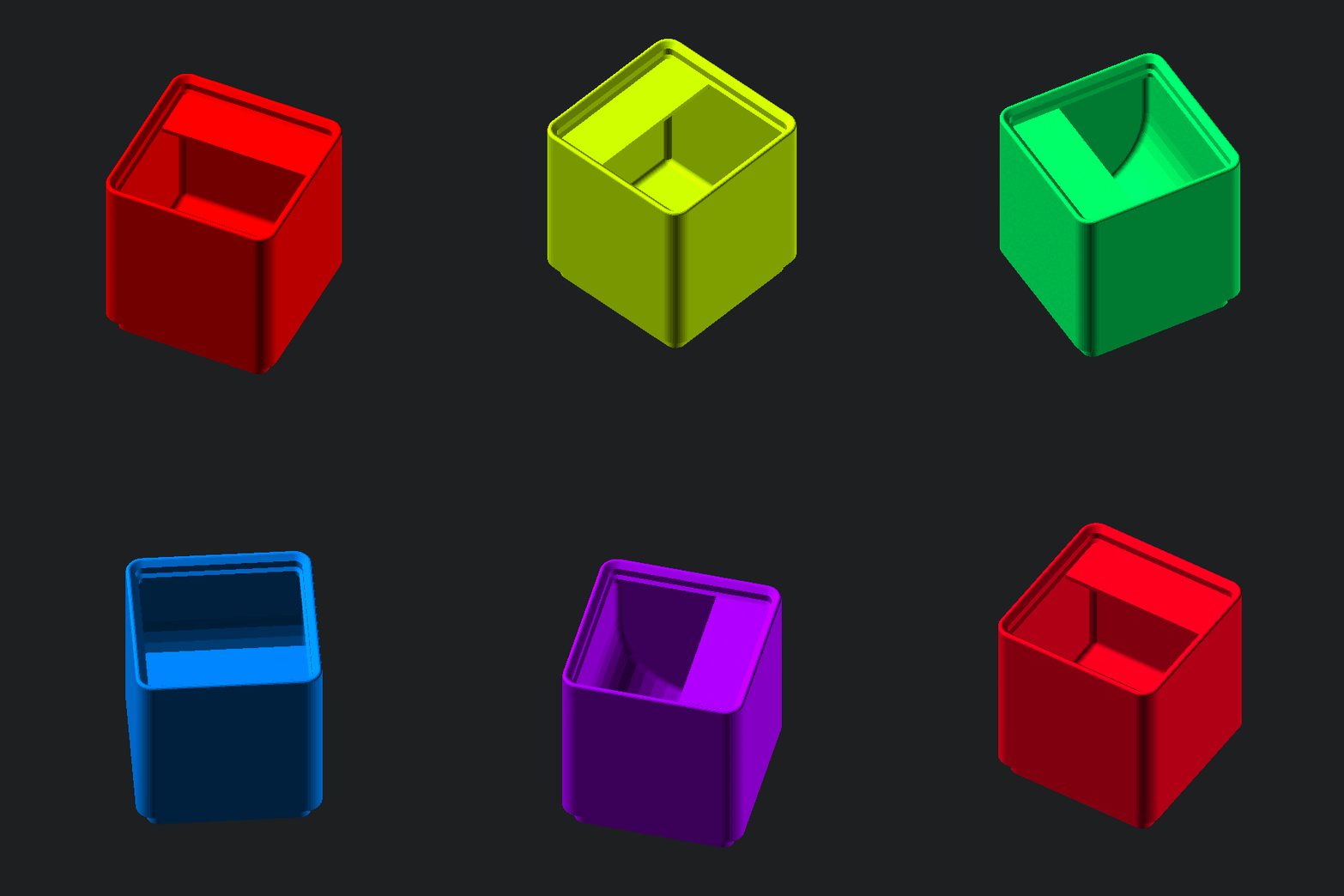
A parametric OpenSCAD implementation of Gridfinity bins with configurable sizes, compartments, tabs, bases and print options.
BUILD ITGridfinity Rebuilt · kennetek ↗
Print-dependent
Material planning allowance for ordinary FDM bins. Actual cost scales with bin volume, filament price, magnets/fasteners and the number of baseplates.
Excludes: Printer ownership/electricity; Magnets, screws and labels; Large baseplate systems.
Cost checked 4 Sep 2026.
kennetek ↗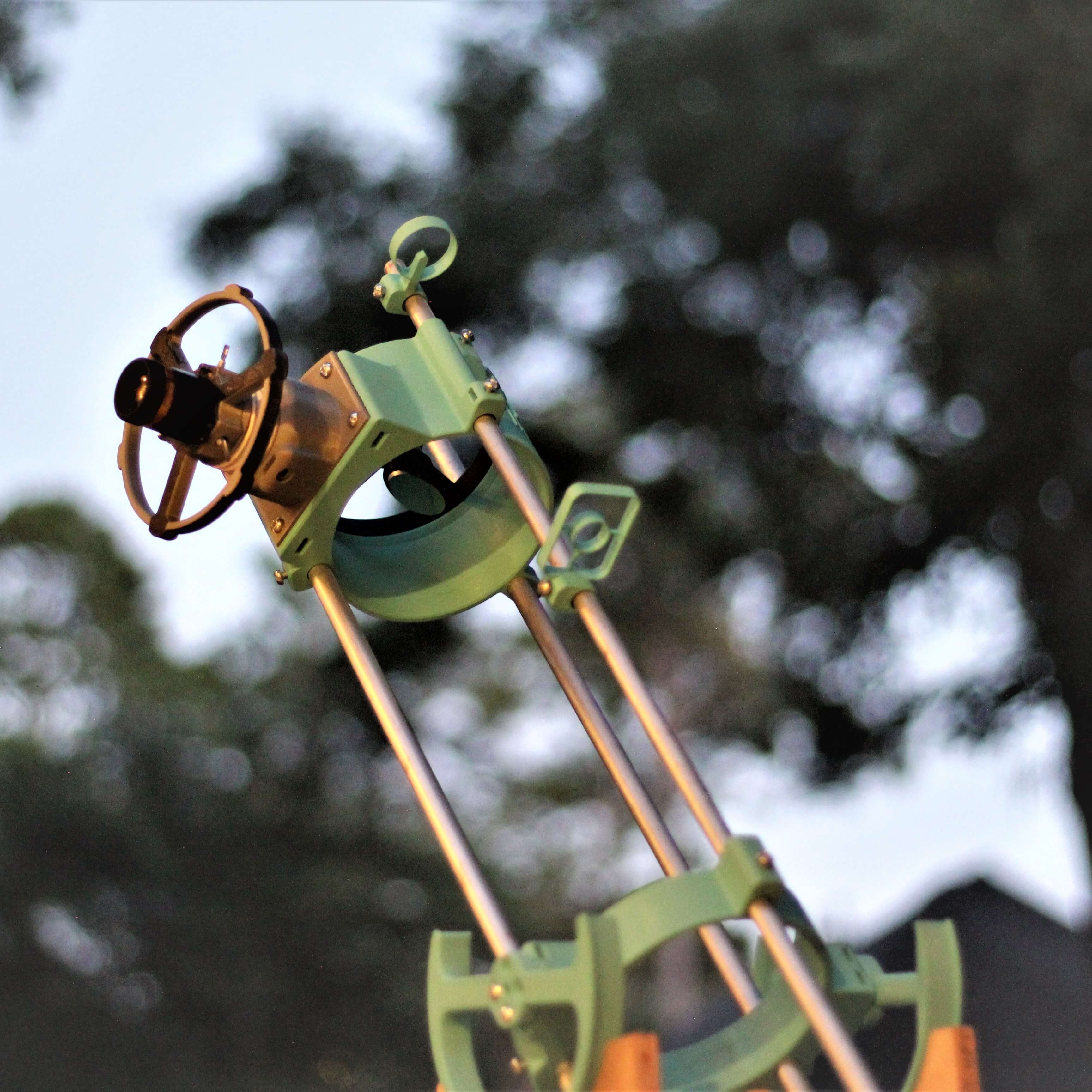
Hadley Telescope · Maff / Printables ↗
Multi-day including printing; physical assembly is comparatively simple
Current source and builder evidence consistently place the usual build around $100 to $150 depending on optics, eyepieces and mount.
Excludes: Premium eyepieces; Upgraded focuser/finder; 3D printer ownership.
Cost checked 4 Sep 2026.
Maff / Printables ↗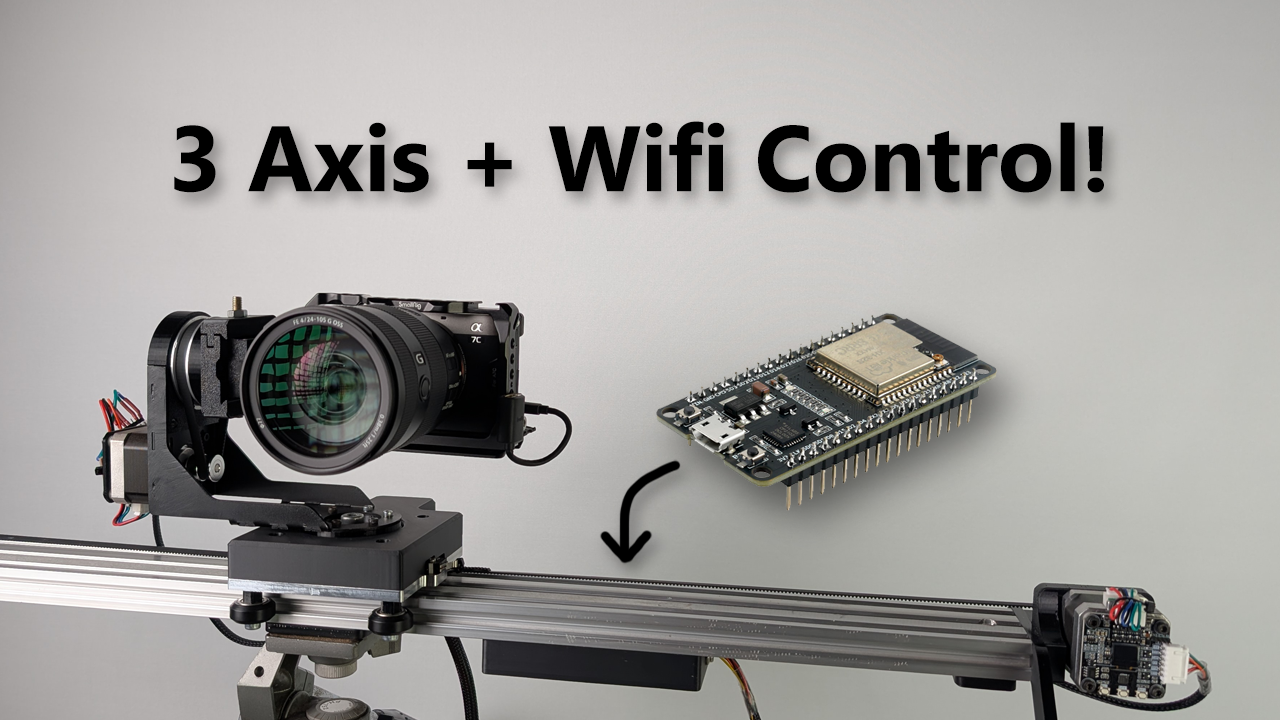
Creator thumbnail showing the three-axis camera slider · Daniel McKenzie / CNCDan ↗
Multi-stage. The source does not publish a total build time.
Low-confidence planning allowance for the source-listed commodity mechanics and electronics plus three ordinary step and direction drivers. The creator publishes no all-in total and used spare 3D-printer parts. Custom laser cutting, folded and welded sheet, machined aluminium, pulley machining, printing, driver-specific power and shipping can dominate the actual first build.
Excludes: Laser-cut tripod plates; Folded and welded tilt bracket; Machined aluminium slider plate and pulley machining; 3D printing, filament or print service; Driver-specific power supply, connectors and cabling; Camera, tripods and quick-release hardware not already owned; Shipping, taxes, fabrication labour and assembly time.
Cost checked 5 Sep 2026.
Daniel McKenzie / CNCDan ↗Turn your tools and skills into real projects.
Connect your project to the real world.
Practical ways AI can help at different stages.