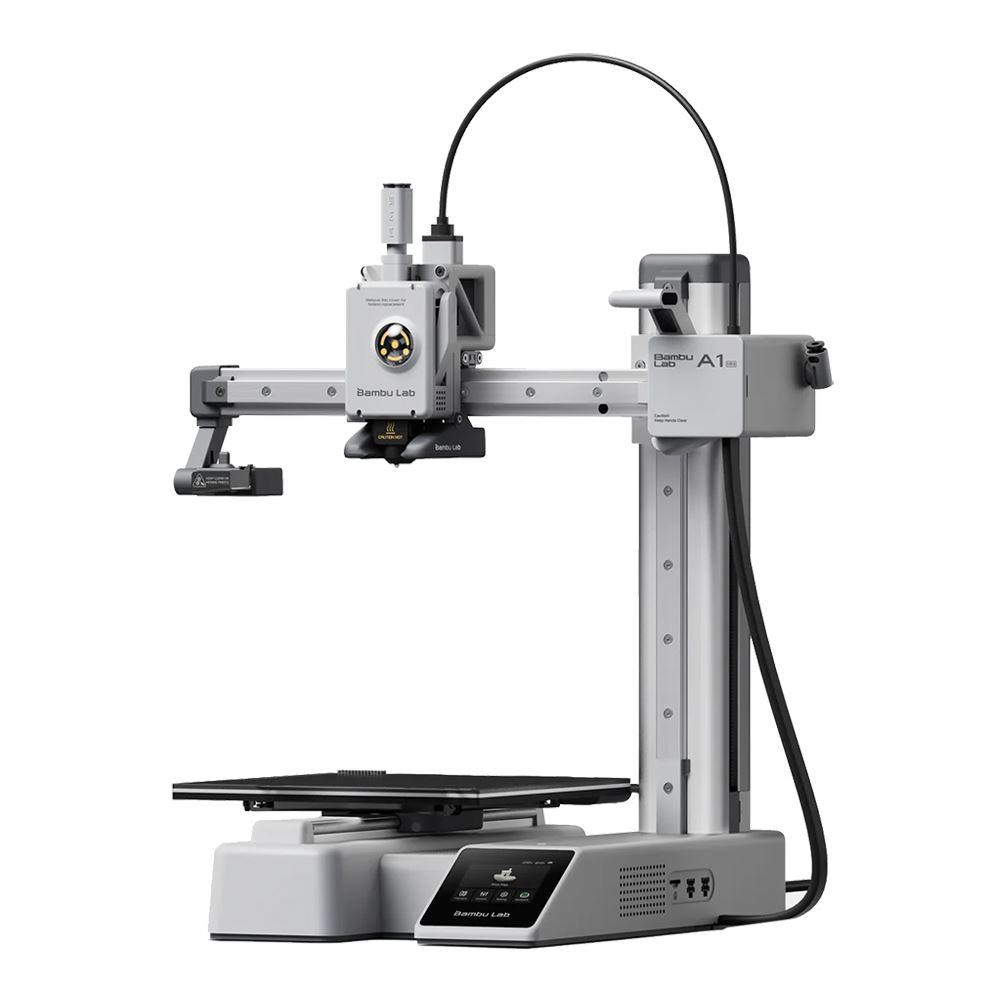
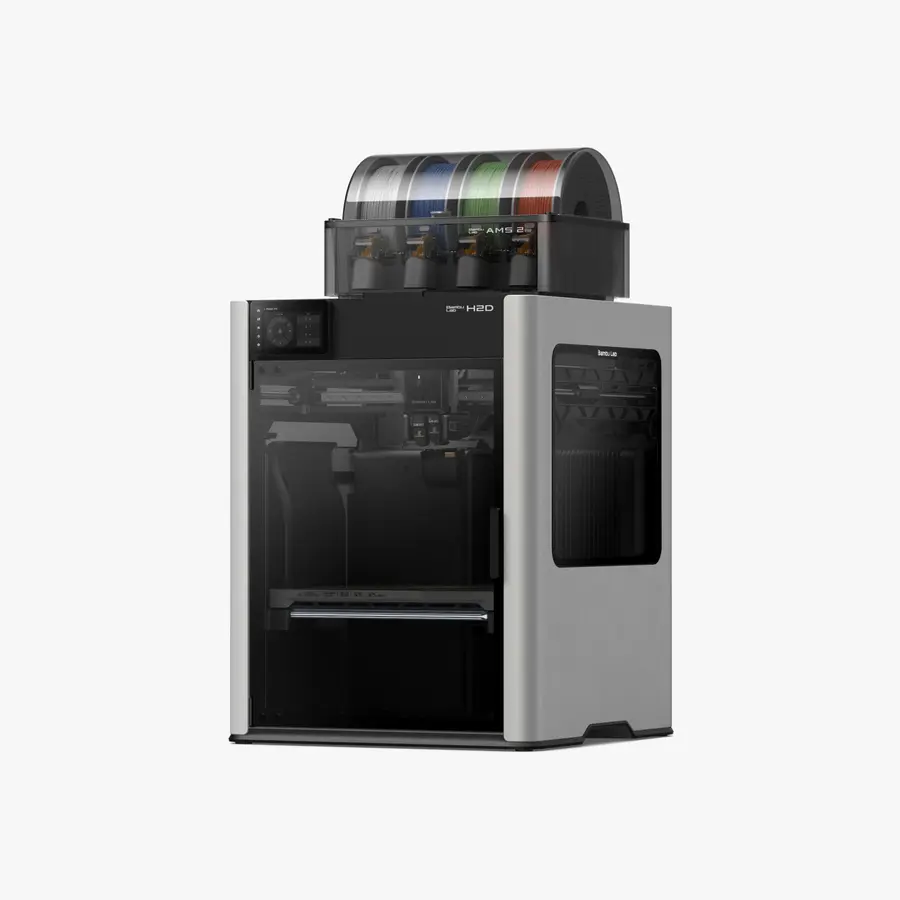
Source referenceBambu Lab H2D
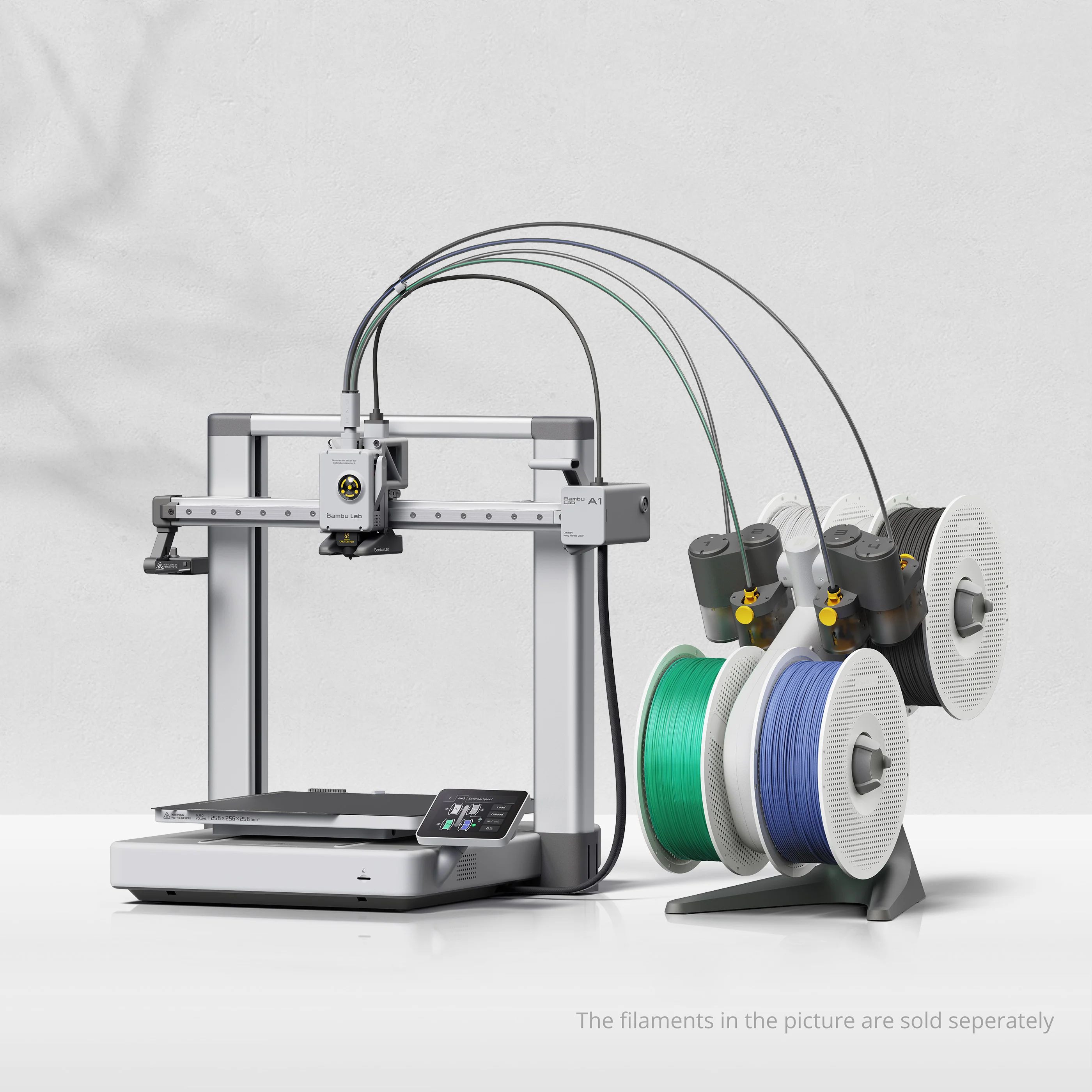
A dual-nozzle printer platform with optional laser, cutting and plotting capabilities, suitable for exploring whether one machine can support a small creative workshop.
View details →Tried it? Share your experience →Start with the object you want to make. Choose a suitable process, check equipment access and cost, then try a small part before committing to the full build.

AI can help create or adapt the artwork. The laser turns the file into a cut or engraved physical part.
See the route →
Use CNC when the finished part needs accurate dimensions, strength or a machined surface.
See the route →
A slicer prepares the model for a filament printer. Use the category guide to compare machines for your part and material.
See the route →
Digital artwork can become signage, merchandise, phone cases and other personalised physical items.
See the route →All equipment and software categories are included below. A category guide explains the buying decision; a product assessment covers a named model. Some guides do not yet have checked product assessments.
FDM lays down filament; resin printing forms fine-detail parts from liquid resin. Both create geometry, rather than printing artwork onto a surface.
Choose by material, part size and finish. A laser, CNC mill and blade cutter do different jobs and are not direct substitutes.
Laser cutters & engraversAcrylic panels · Plywood structures · Templates8 assessments · 1 discovered→
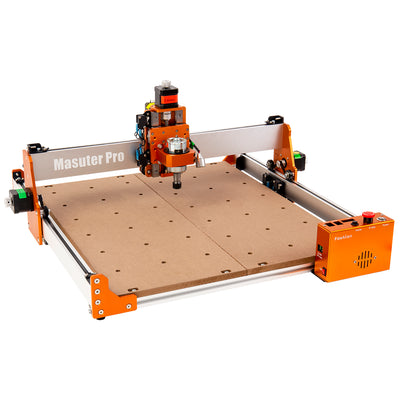
CNC routers & millsMachined plates · Wood parts · Aluminium parts6 assessments · 1 discovered→
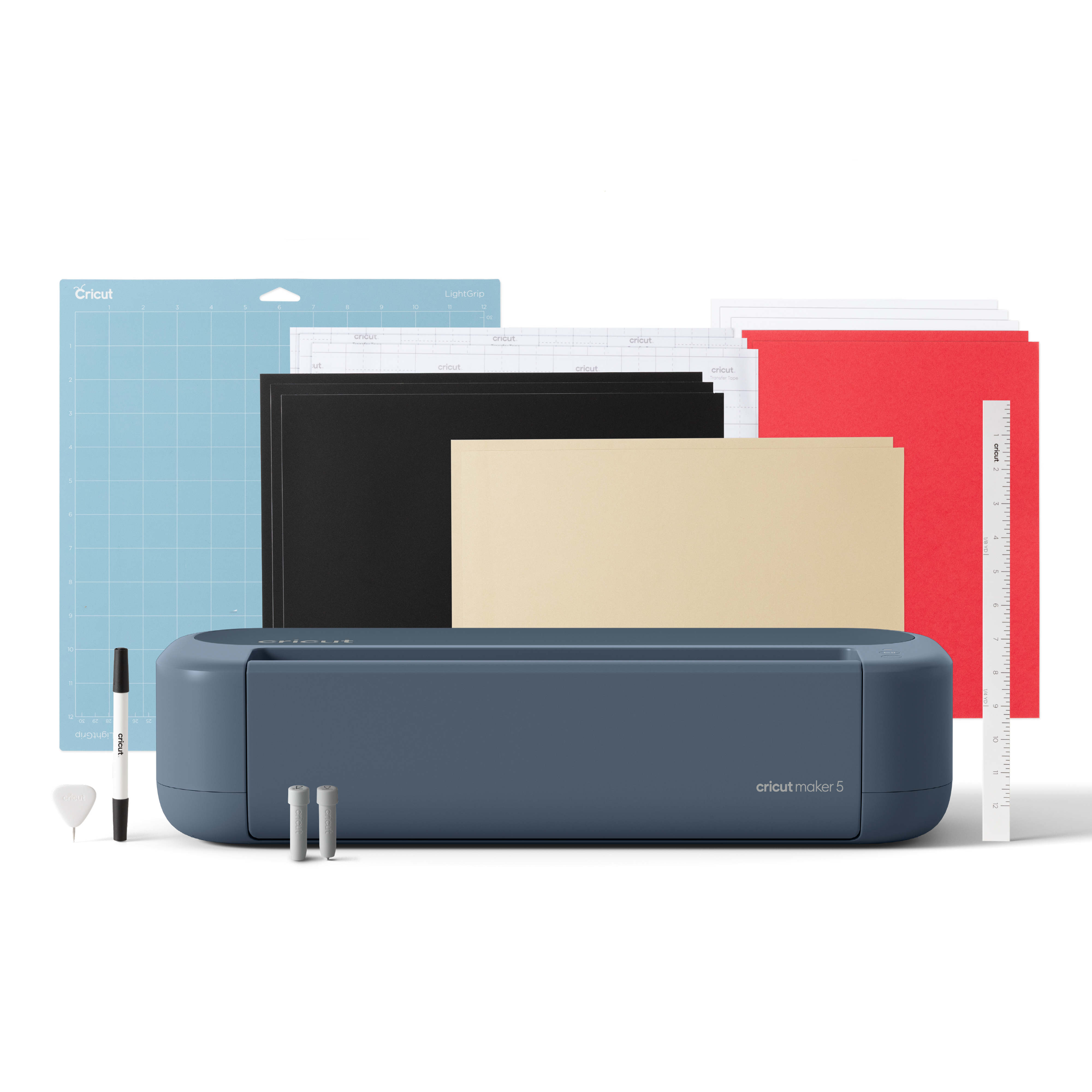
Vinyl & craft cuttersLabels · Decals · Paint masks4 assessments→
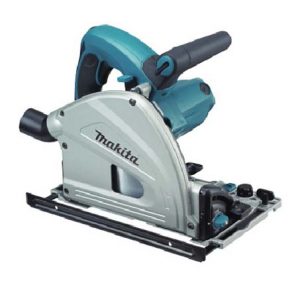
Track saws & sheet cuttingFurniture panels · Cabinet parts · Shelving1 assessments→
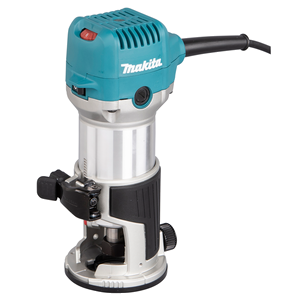
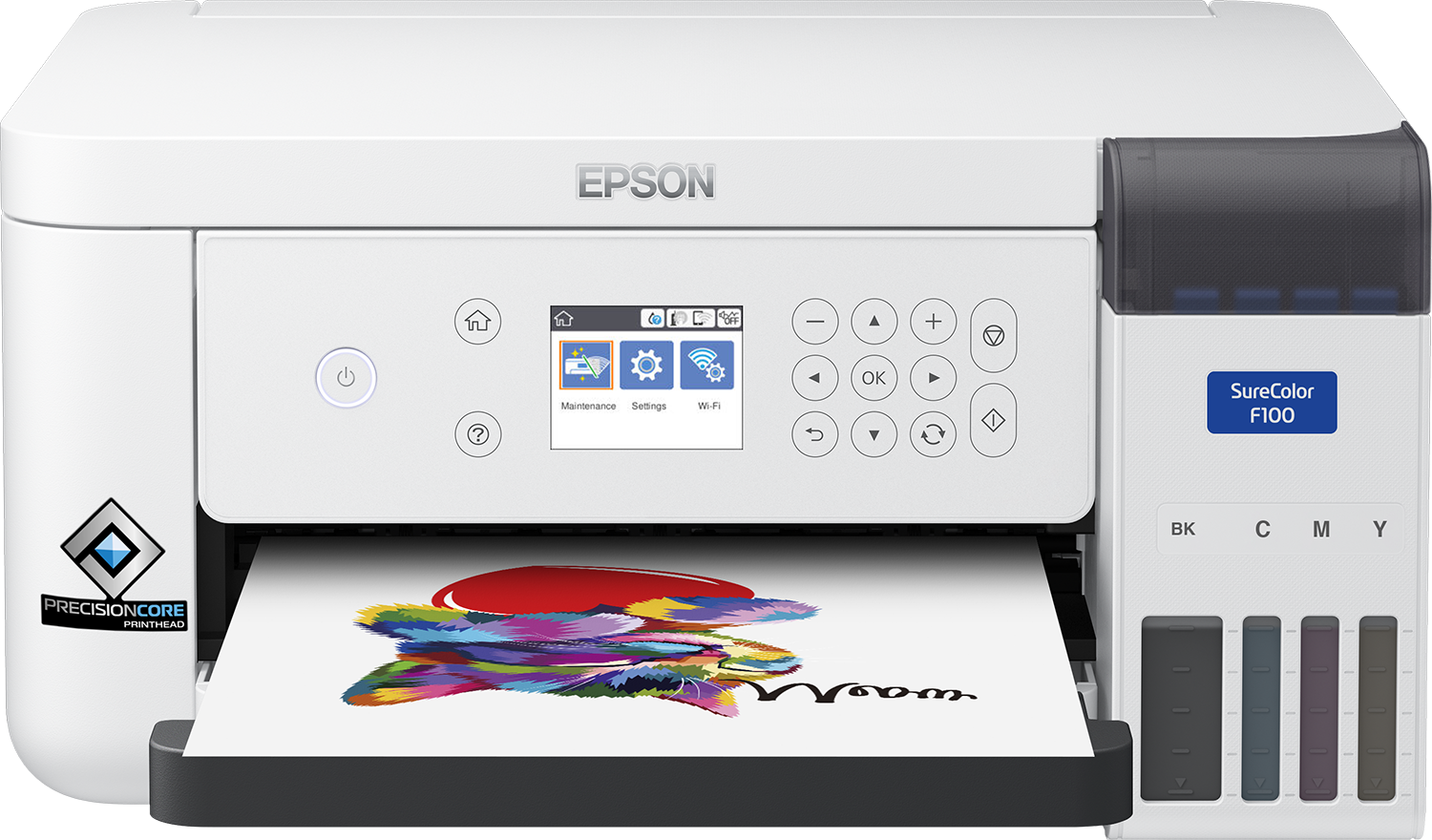
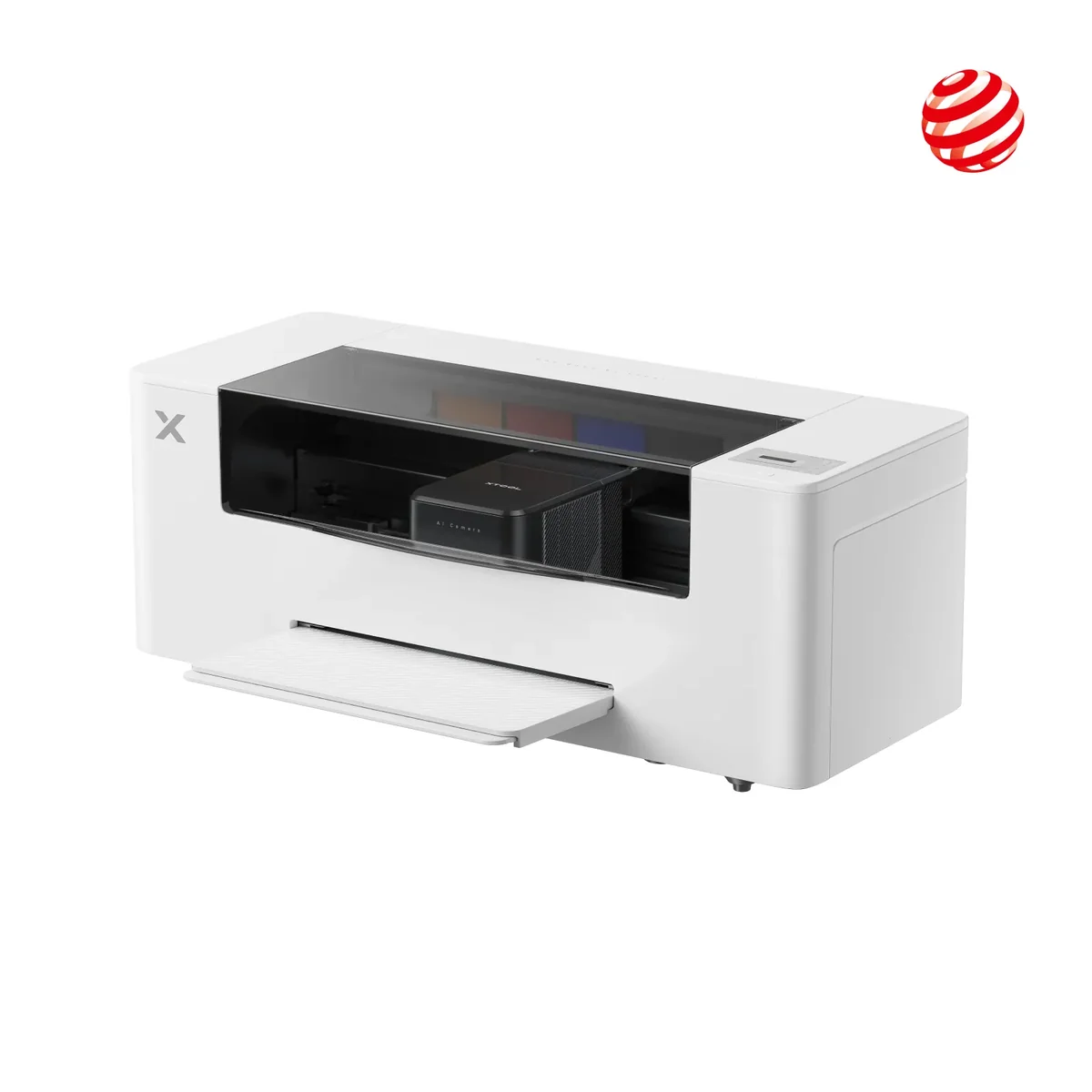
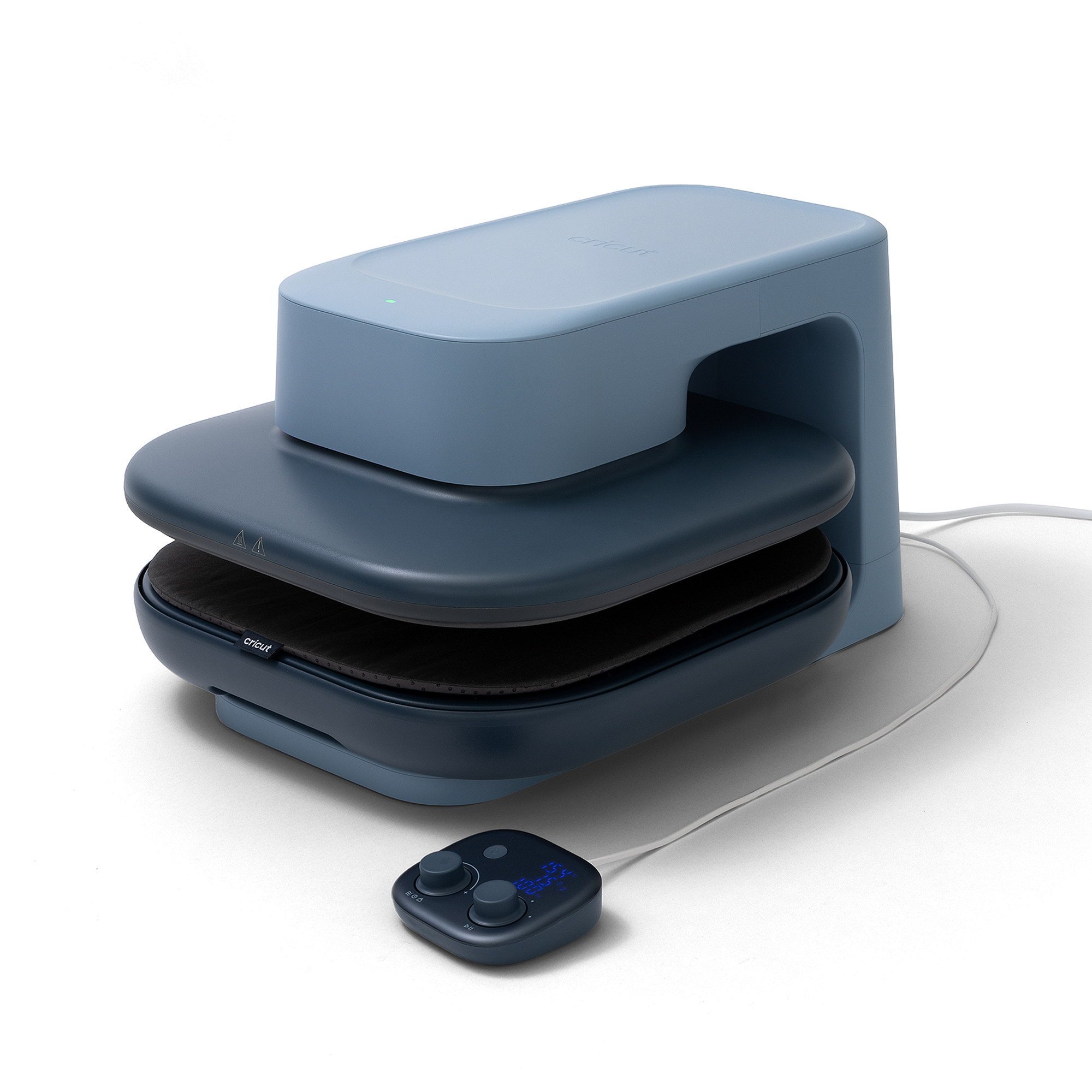
Routers & trim routersEdge profiles · Grooves and dados · Hinge mortises1 assessments→Pen plotters & drawing machinesDrawing · Lettering · Generative art1 discovered→UV prints onto objects. Sublimation and DTF create transfers for compatible blanks or fabric. A heat press applies transfers; it does not print them.
UV & direct-to-object printersPhone cases · Acrylic signs · Wood and leather goods3 assessments→
Sublimation printersT-shirts and sportswear · Mugs and tumblers · Bags and cushions2 assessments→
DTF apparel printersT-shirts · Hoodies · Workwear1 assessments→
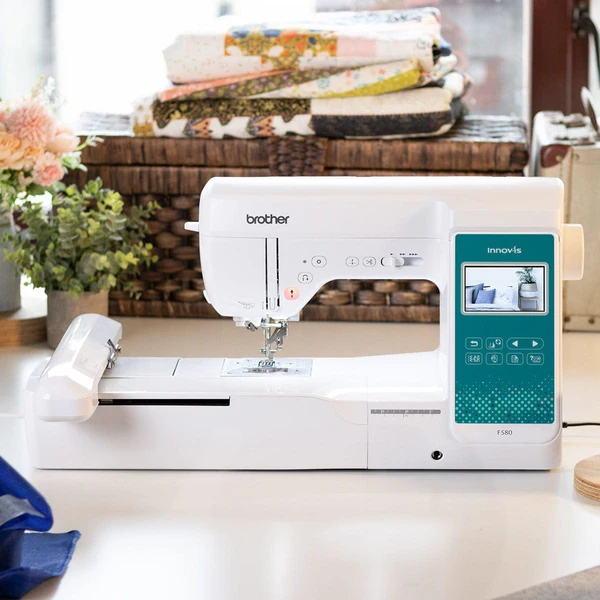
Heat presses & transfer equipmentT-shirts · Bags · Sublimation blanks2 assessments→Sewing joins fabric; embroidery adds stitched designs. For cut vinyl and garment transfers, use the cutting and surface-printing families.
Vacuum forming, resin casting and ceramics are separate workflows. Check the complete preparation and finishing process, not just the main machine.
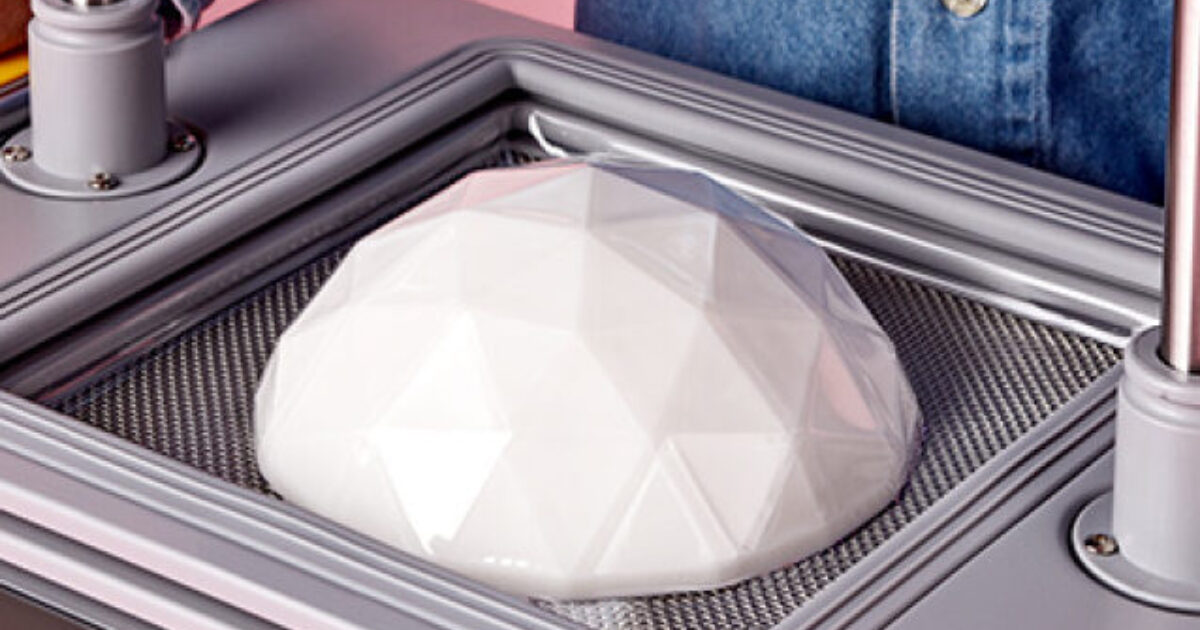
Vacuum forming & thermoformingPackaging prototypes · Masks and costume shells · Chocolate and casting moulds2 assessments→
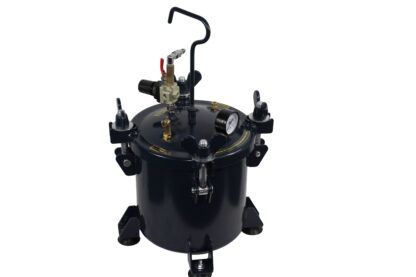
Resin casting equipmentBubble-free resin parts · Pen and knife blanks · Jewellery1 assessments→
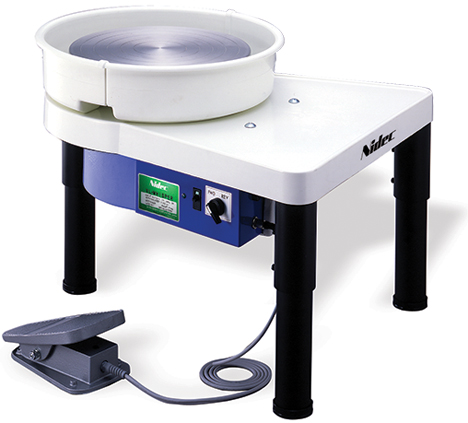
Pottery wheelsBowls · Cups · Vessels1 assessments→Ceramic kilnsFunctional pottery · Tiles · Jewellery ceramicsBuying guide→Build the electrical connections, then measure and diagnose them. Test equipment supports a build even when AI does not operate it.
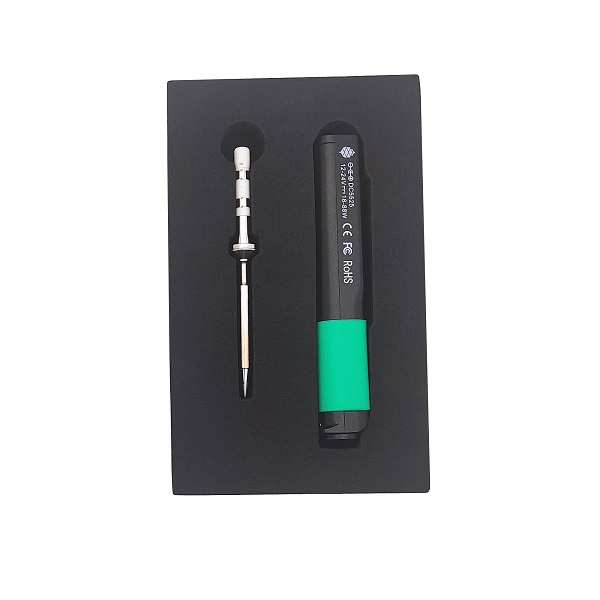
Soldering irons & stationsHeaders and connectors · Wire joints · PCB assembly2 assessments→Rework & desolderingCorrecting solder mistakes · Removing components · SMD reworkBuying guide→Wire preparation & crimpingJST and Dupont leads · Wire harnesses · Power connectionsBuying guide→Digital multimetersContinuity · DC voltage · ResistanceBuying guide→Bench power suppliesBoard bring-up · Motor testing · LED testingBuying guide→Oscilloscopes & logic analysersPWM · I2C and SPI · Serial timing2 discovered→USB power meters & electronic loadsPower consumption · Battery projects · USB-C debuggingBuying guide→Programmers, debuggers & serial adaptersSerial logs · Boot recovery · JTAGBuying guide→Measure parts for fit, scan an existing shape or inspect small details before committing to fabrication.
Hand tools, workholding, welding, finishing, extraction and workspace equipment support different stages. Check the relevant category for the process and required setup.
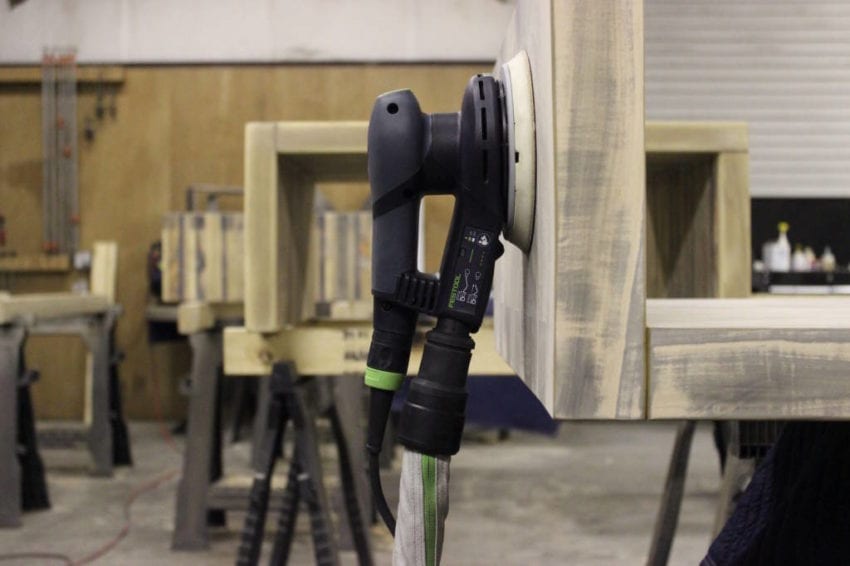
Sanders & surface finishingFurniture finishing · Paint preparation · 3D print finishing1 assessments→
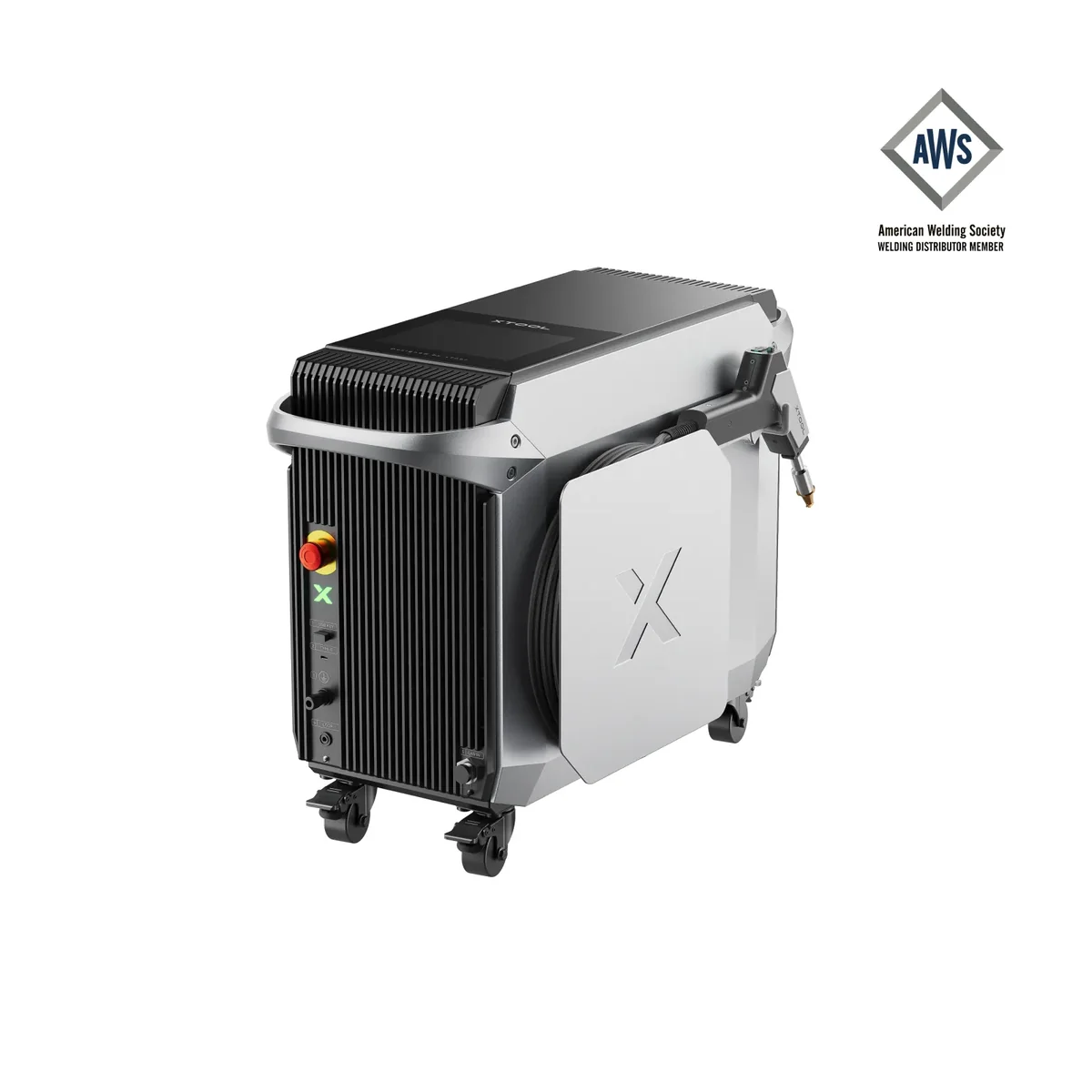
Digital metal fabrication & weldingSheet-metal cutting · Laser welding · Brackets and frames1 assessments→Fume extraction & ventilationSoldering · Resin printing · Laser cuttingBuying guide→PPE & workspace safetyEye protection · Respiratory protection · GlovesBuying guide→Builder workstation & connectivityCAD · Firmware · Local AIBuying guide→CAD and graphics tools make the design; slicers and CAM prepare machine instructions; firmware tools program and debug electronics.
These are starting points, not a ranking across different machines. Expand one category, then open its full guide for all current options, buying criteria and evidence.

Compact, automated FDM printer aimed at straightforward PLA, PETG and TPU printing where 180 mm build volume is enough.
Open assessment →
Full-size open-frame FDM printer with extensive automatic calibration and a 256 mm cube build volume.
Open assessment →
Source referenceA dual-nozzle printer platform with optional laser, cutting and plotting capabilities, suitable for exploring whether one machine can support a small creative workshop.
View details →Tried it? Share your experience →
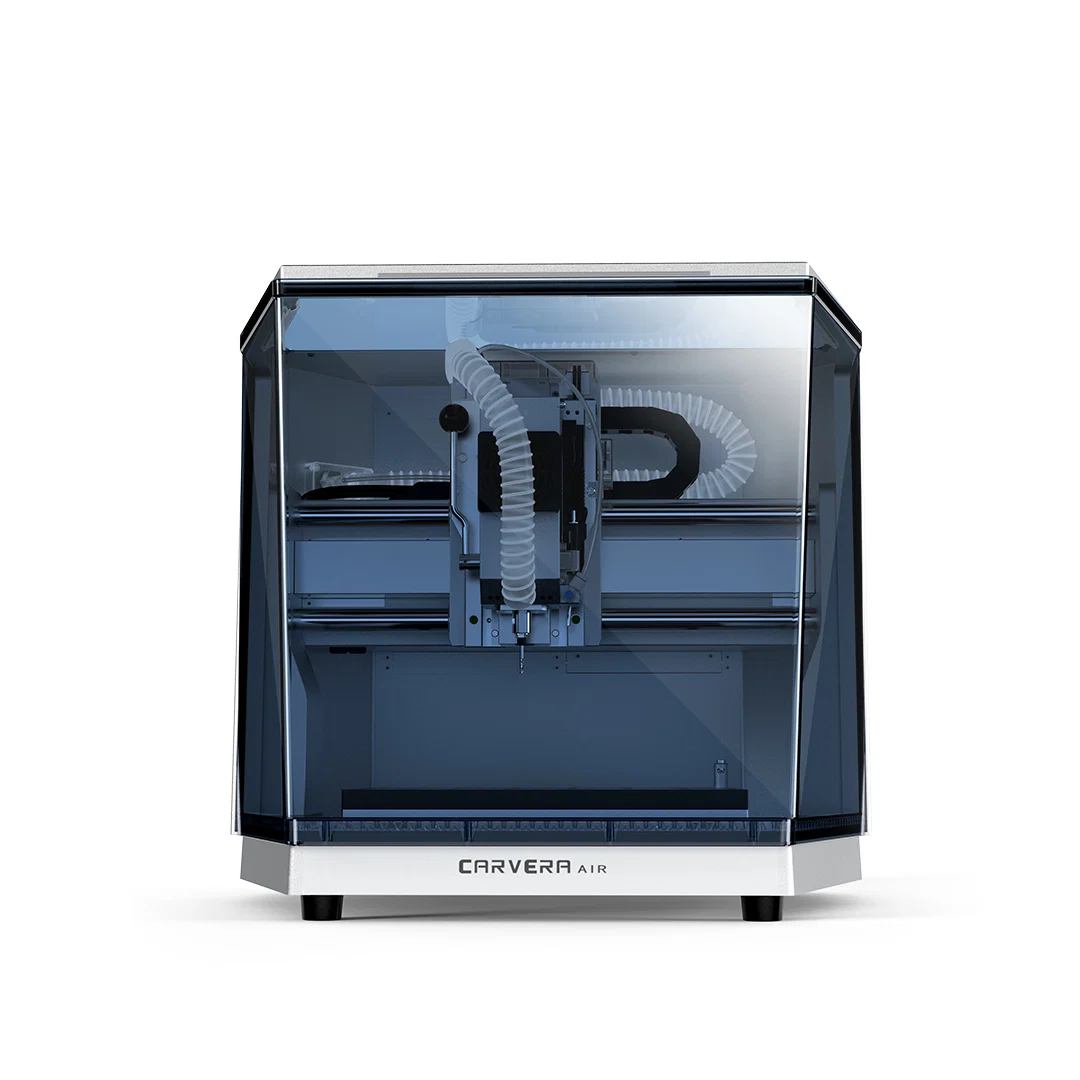
Enclosed desktop CNC with probing and guided workflows aimed at making wood, plastic, PCB and aluminium machining more approachable.
Open assessment →
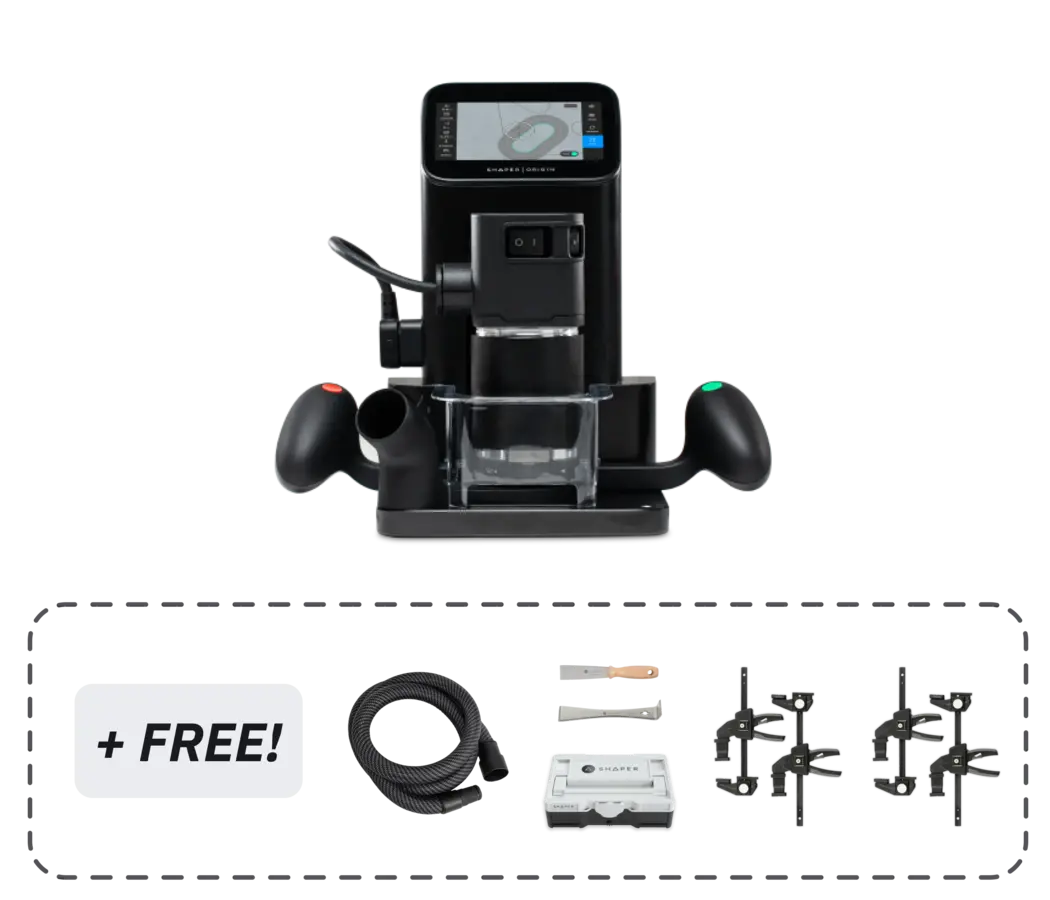
Source referenceA handheld digitally guided router that connects precise designs with furniture, joinery and large wooden workpieces.
View details →Tried it? Share your experience →
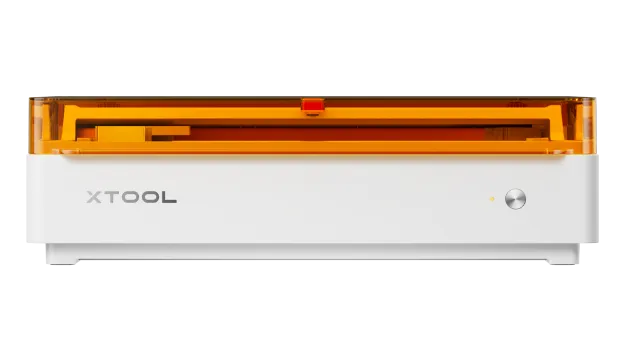
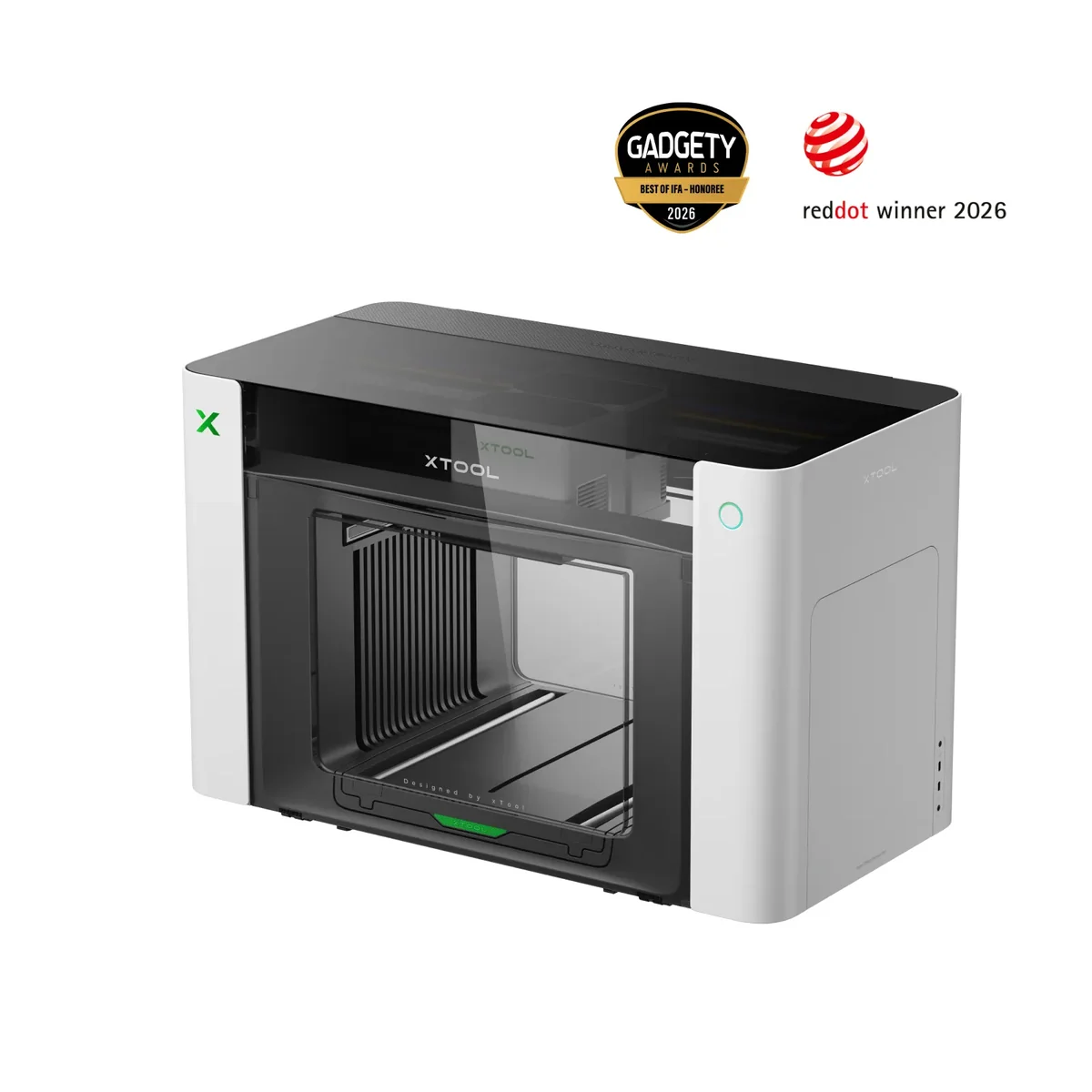
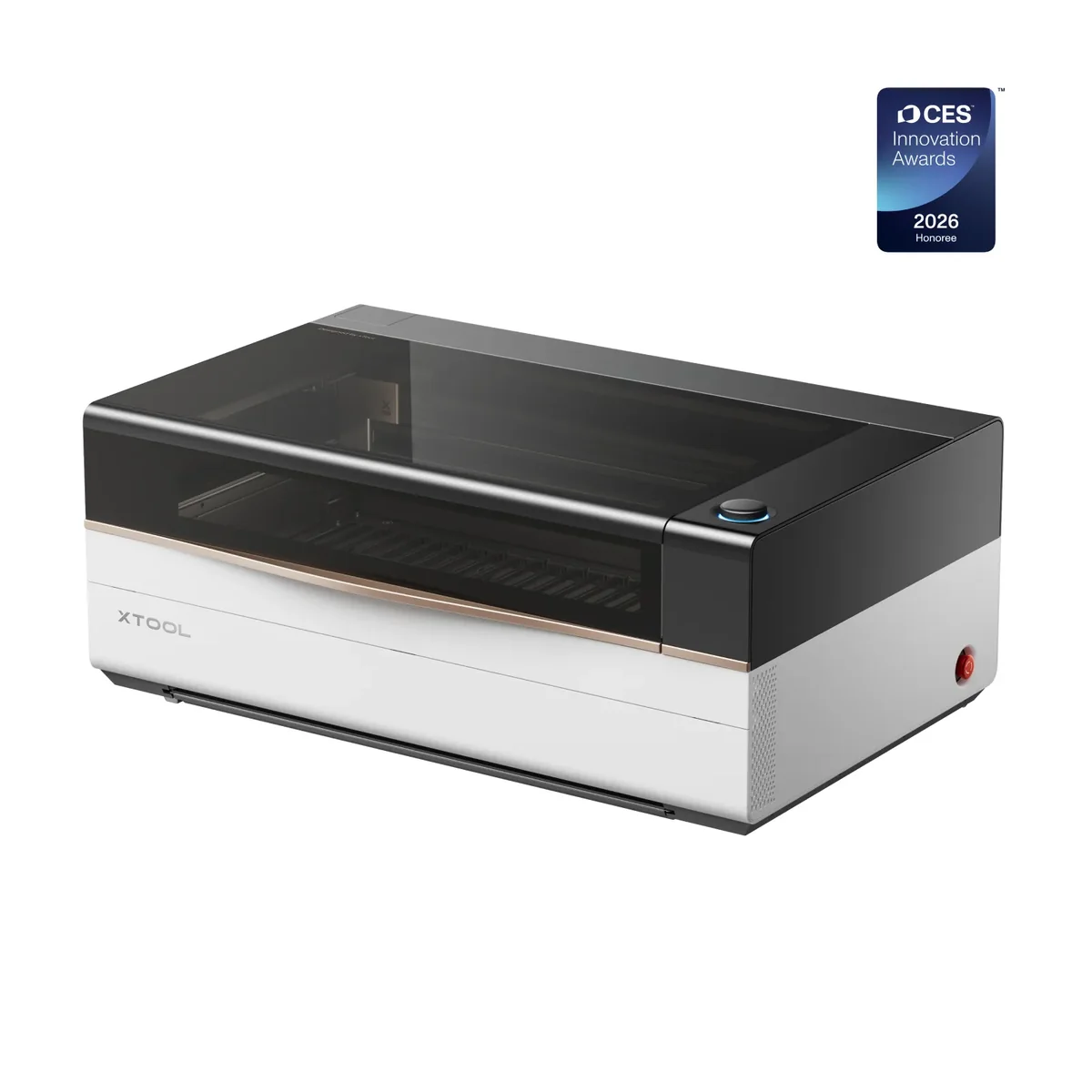
Current enclosed diode laser platform combining laser cutting and engraving with optional CMYK printing in the same workspace.
Open assessment →
Large 80W enclosed CO2 laser aimed at serious studio and production work rather than hobby engraving.
Open assessment →
Portable dual-source galvo engraver combining blue diode and fibre sources for broad small-object engraving.
Open assessment →
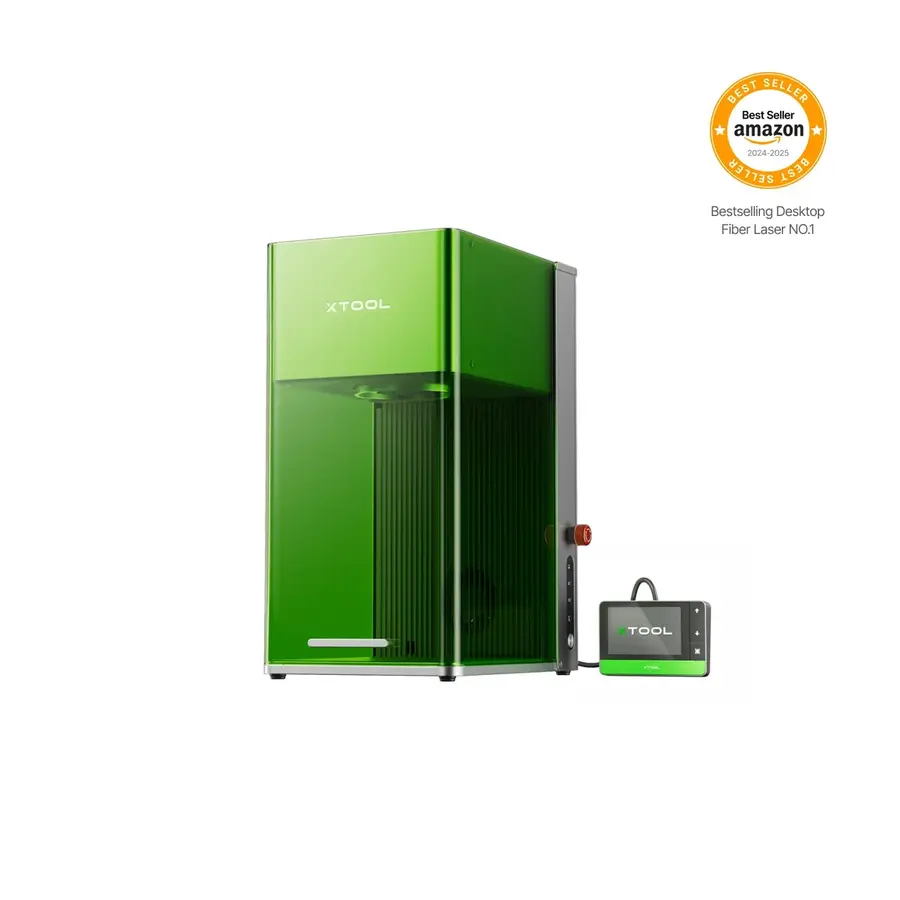
Source referenceA fibre-and-diode engraver for personalised objects and product components, best assessed through real materials, repeatability and complete workshop setup.
View details →Tried it? Share your experience →
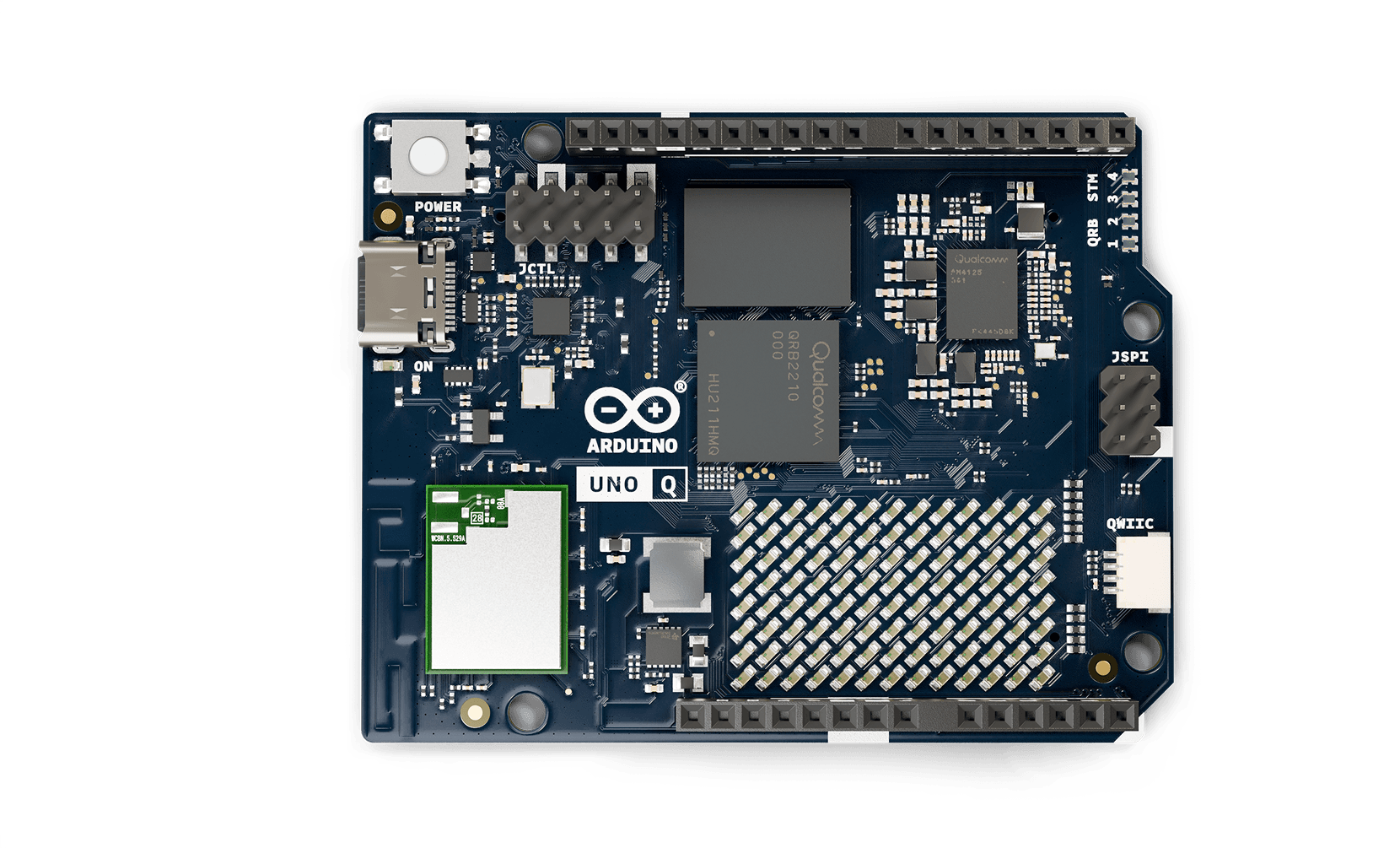
A board combining Linux-capable computing and real-time microcontroller control, suitable for exploring practical vision and sound interactions.
View details →Tried it? Share your experience →
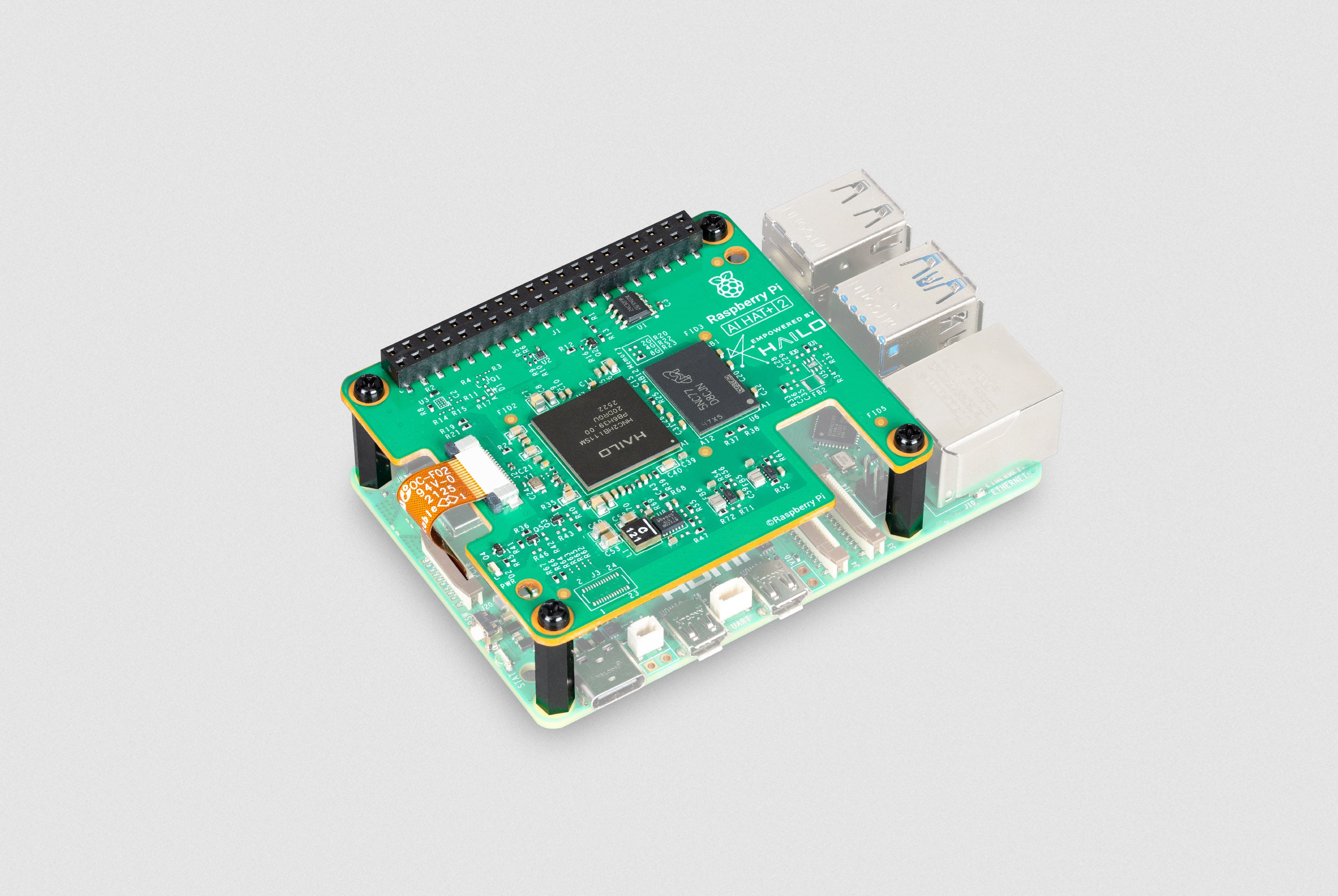
An accelerator board with onboard memory for supported local generative and vision models on Raspberry Pi 5.
View details →Tried it? Share your experience →
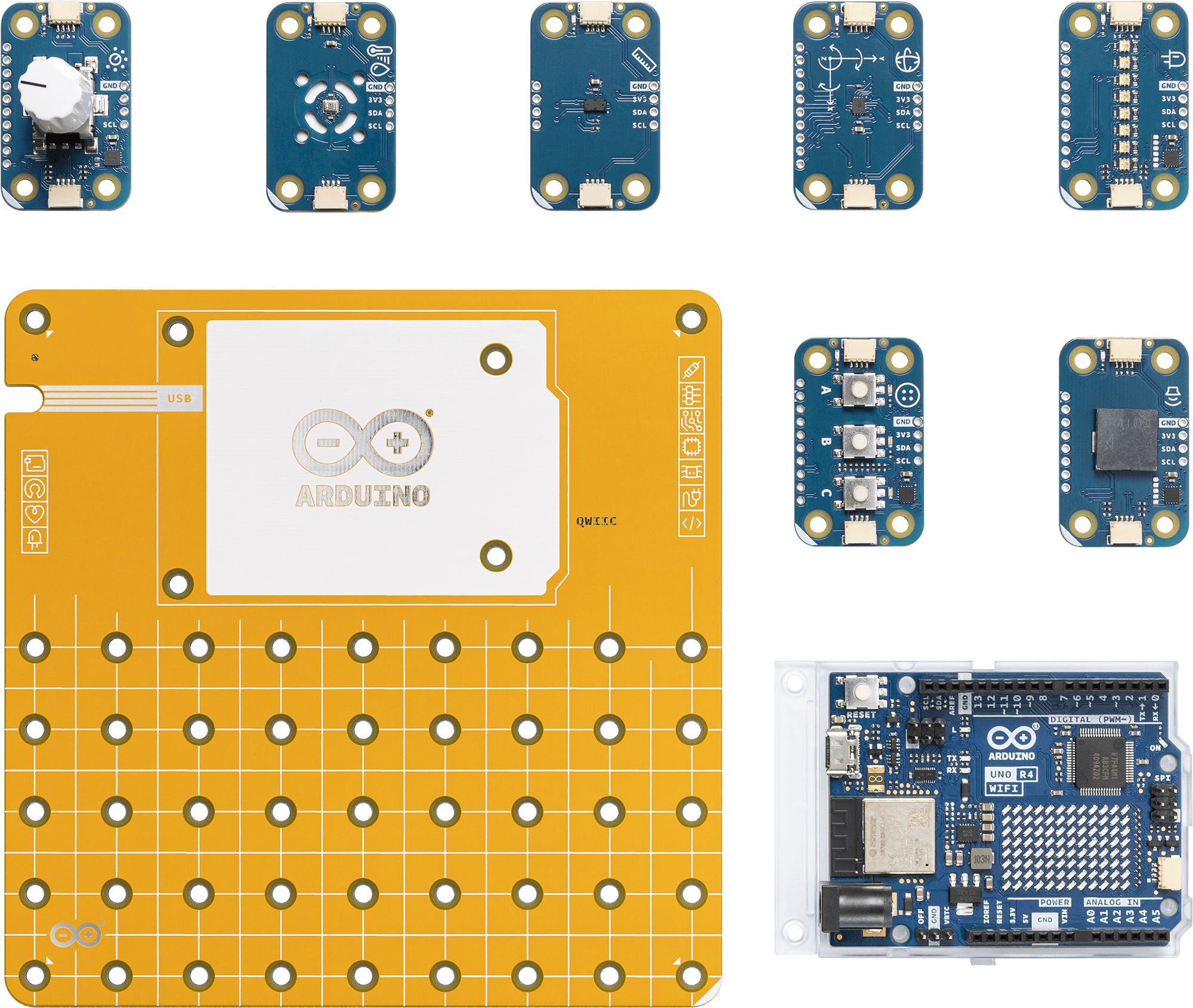
A modular kit with connected sensors and guided projects that reduces wiring complexity for a first interactive build.
View details →Tried it? Share your experience →
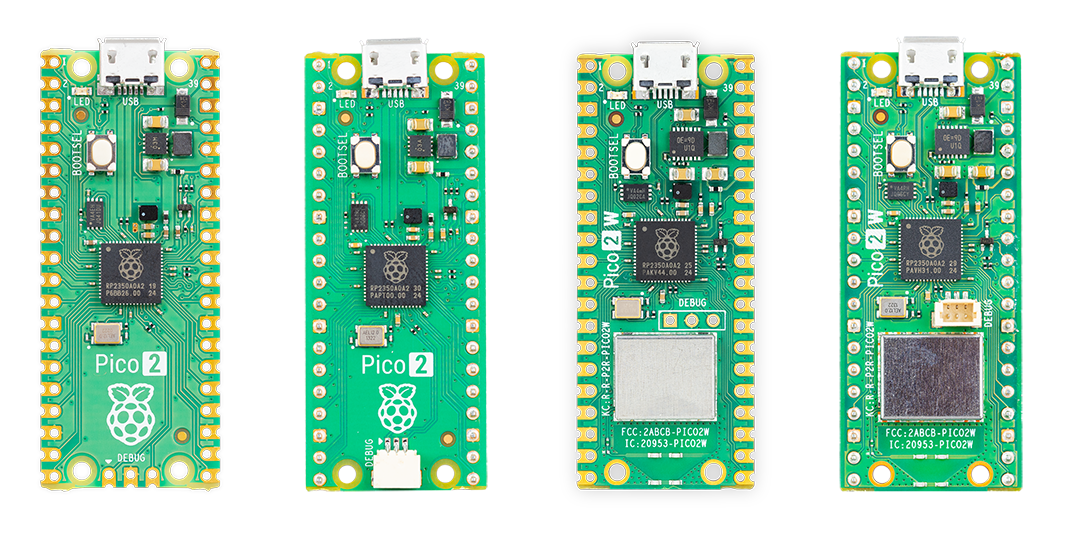
A wireless microcontroller platform for custom controls, connected sensors and small interactive objects, supported by Python and C/C++ tooling.
View details →Tried it? Share your experience →
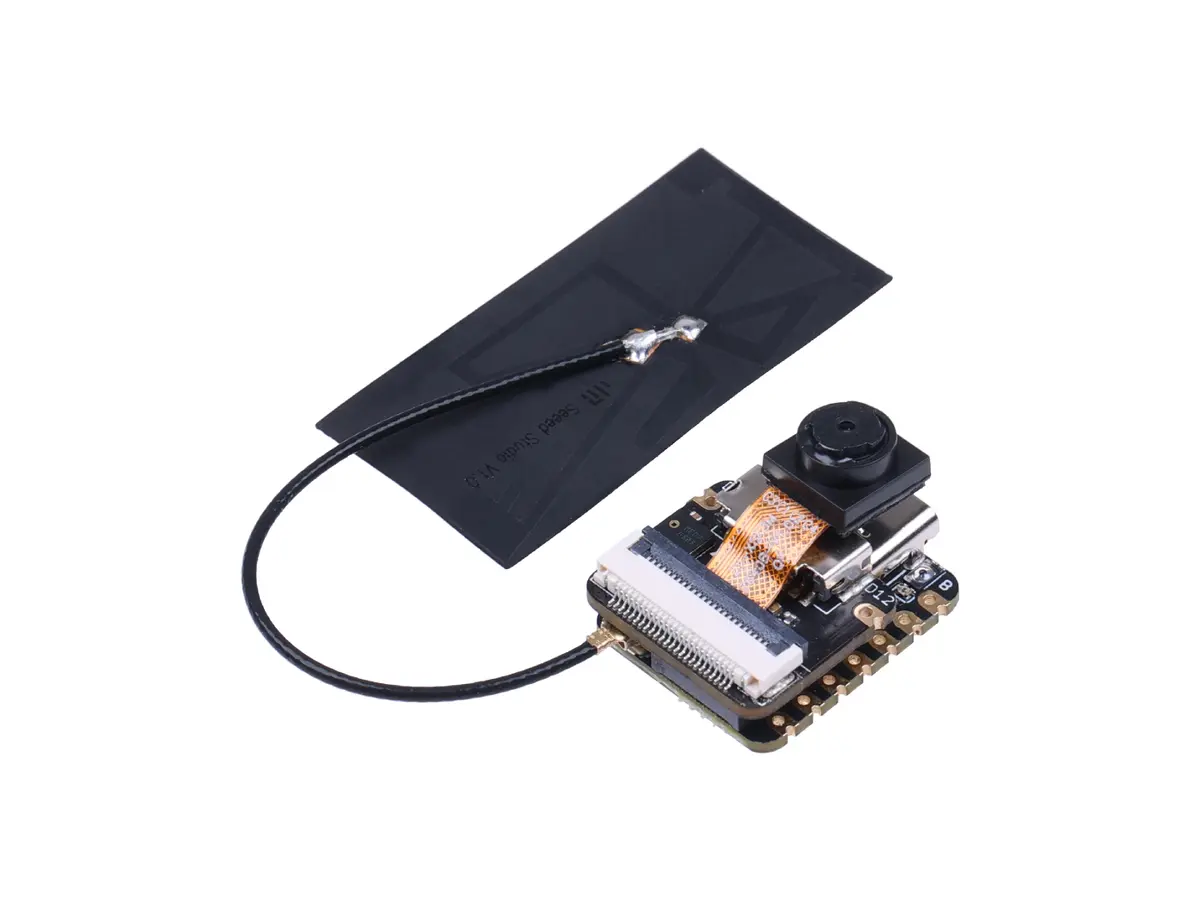
Source referenceA compact board with camera, microphone and storage support for embedded vision and audio experiments.
View details →Tried it? Share your experience →Official reCamera Gimbal assembly demonstration; accessory configuration, not the bare 2002 camera
Watch on YouTube · Seeed Studio · Source context
A modular camera platform with local inference and Node-RED support, aimed at turning object detection into useful workflows.
View details →Tried it? Share your experience →
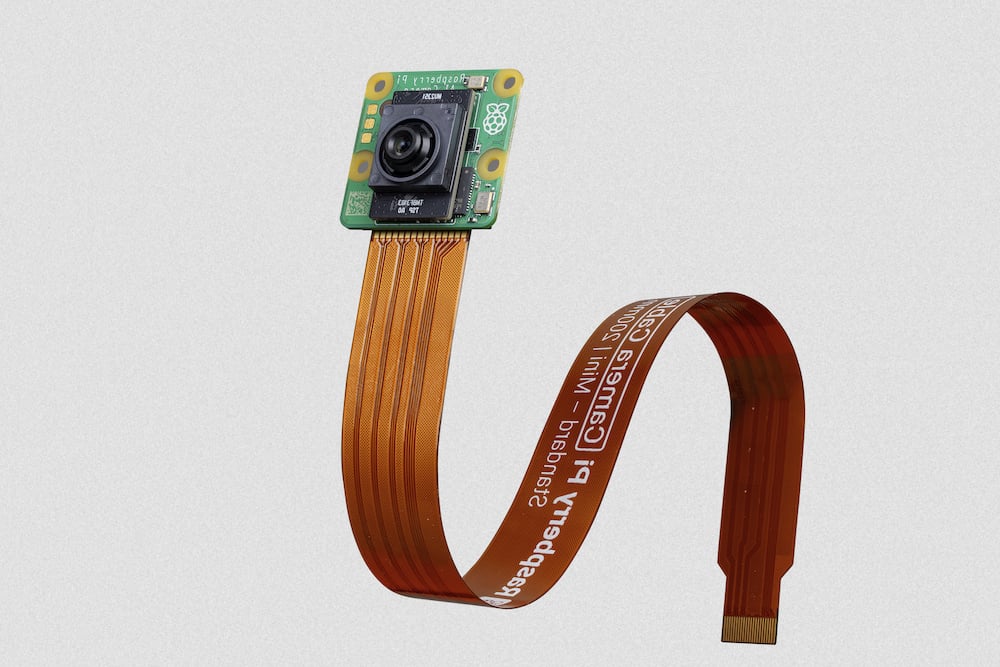
A camera with on-module AI processing for object recognition and other supported vision tasks on Raspberry Pi.
View details →Tried it? Share your experience →
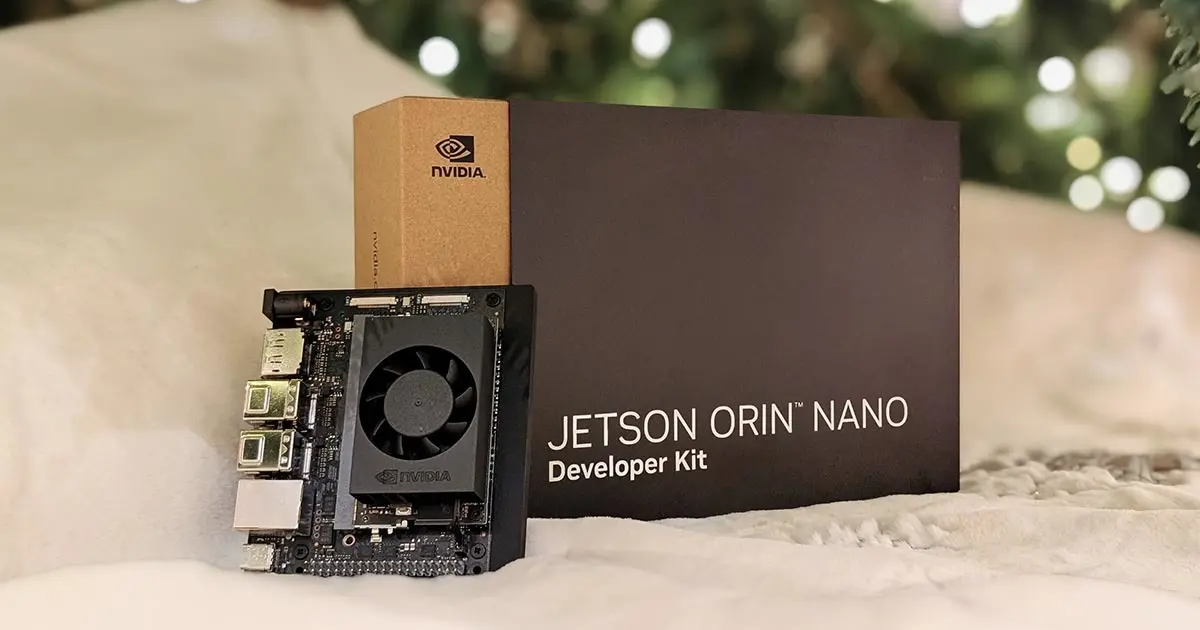
Source referenceAn embedded computer platform for robotics, vision models and local generative AI prototypes.
View details →Tried it? Share your experience →
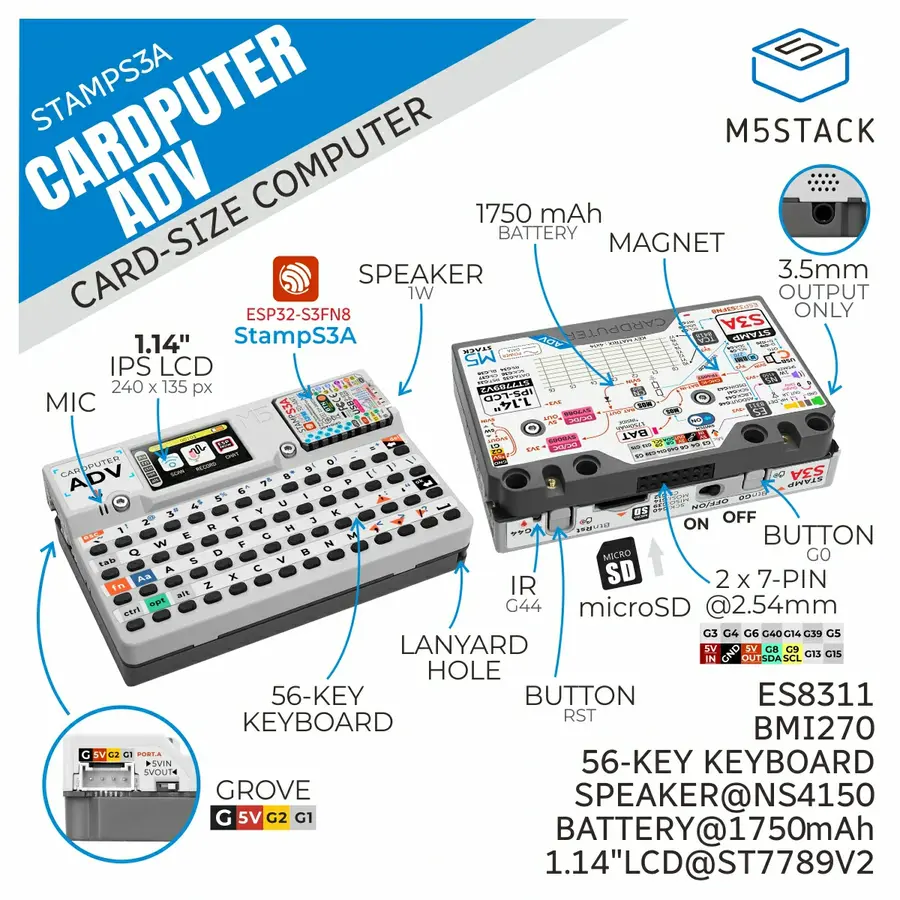
Source referenceA tiny programmable computer with keyboard and display for custom handheld utilities and interfaces.
View details →Tried it? Share your experience →LeRobot team's tutorial on training an ACT policy; relevant to SO-101 learning workflow
Watch on YouTube · Hugging Face LeRobot team · Source context
An open robotics learning route covering arm assembly, teleoperation, data collection and learned actions.
View details →Tried it? Share your experience →
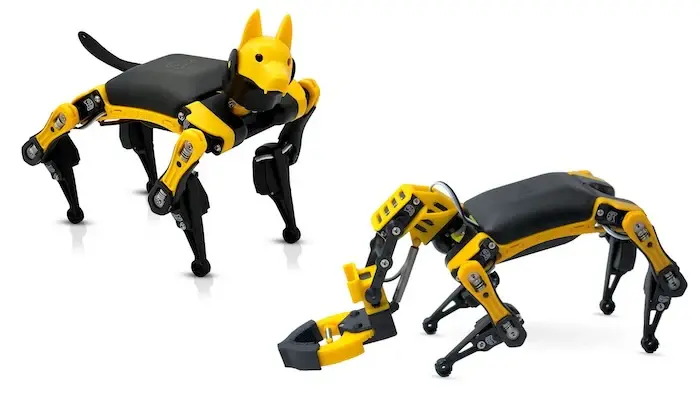
Source referenceA programmable quadruped robot platform for learning movement, control and interactive behaviours.
View details →Tried it? Share your experience →
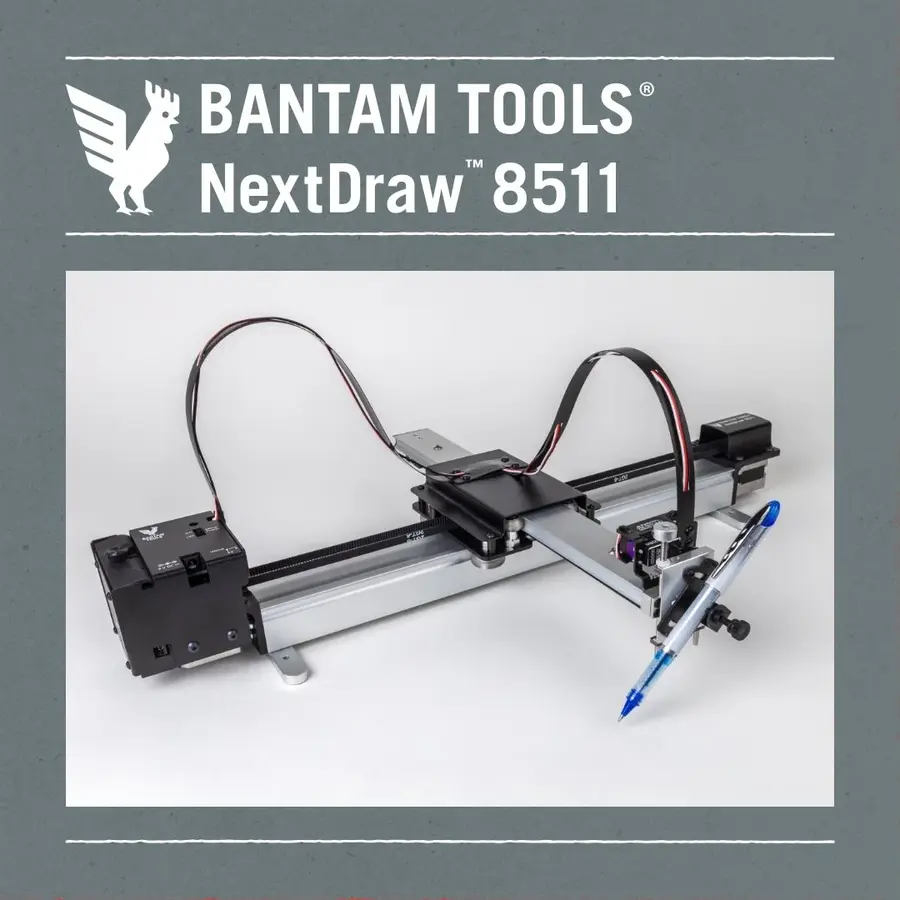
Source referenceA computer-controlled pen plotter for generative art, illustration and physical editions, providing a visible bridge between code and craft.
View details →Tried it? Share your experience →Creator demonstration of PrestoDeck, a Spotify controller built on Pimoroni Presto
Watch on YouTube · fatihak / akzdev · Source context
A programmable touchscreen desk device with a stand and ambient lighting, suitable for dashboards, playful interfaces and custom controls.
View details →Tried it? Share your experience →
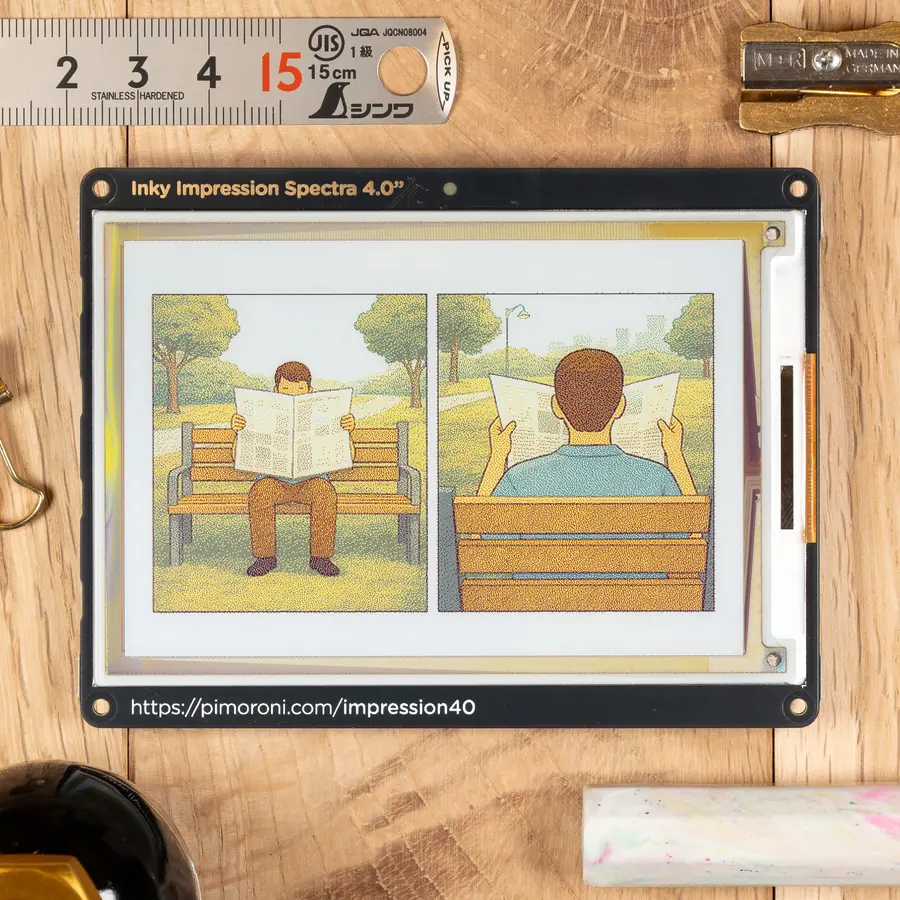
Source referenceColour electronic-paper displays for persistent art, information boards and calm household interfaces.
View details →Tried it? Share your experience →
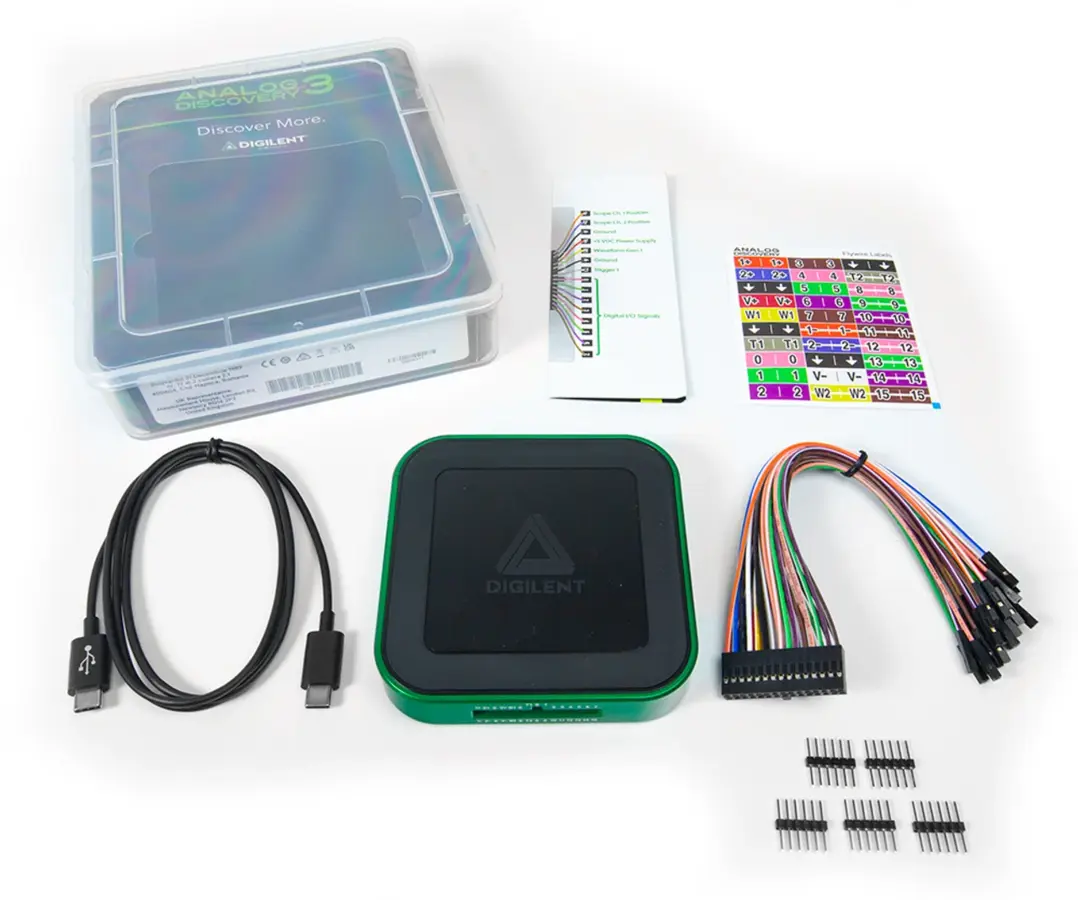
Source referenceA USB measurement device combining oscilloscope, signal generation and logic-analysis functions for learning and diagnosing real circuits.
View details →Tried it? Share your experience →
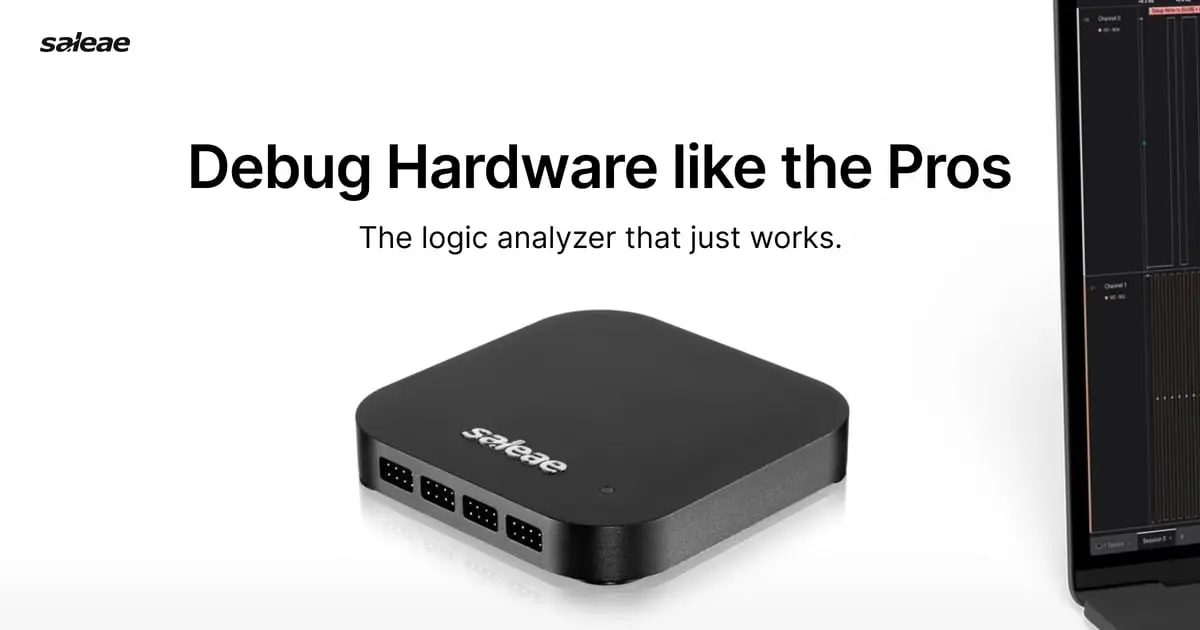
Source referenceA logic analyser and software workflow for inspecting device communications, now with documented natural-language integration through MCP.
View details →Tried it? Share your experience →
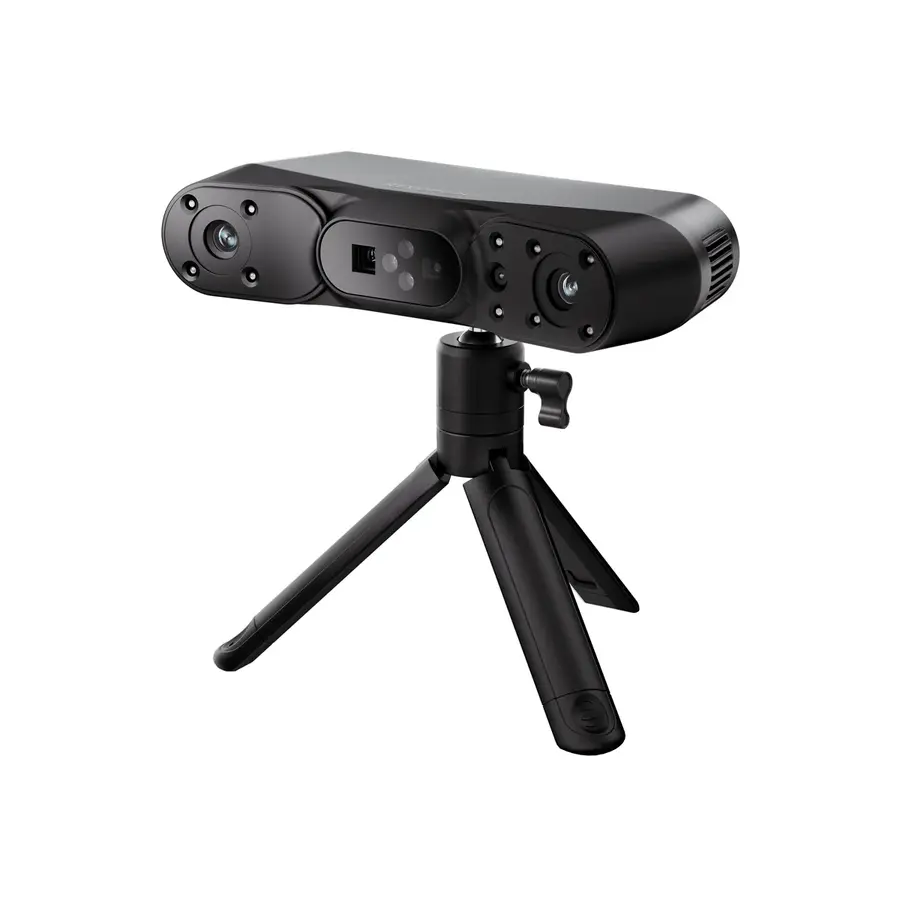
Source referenceA hybrid blue-laser and infrared scanner for digitising objects, with opportunities in replacement parts, custom fittings and creative reconstruction.
View details →Tried it? Share your experience →
Source referenceScan a real object and assess whether an exported mesh can become a remixed or reproduced physical print; source capability is capture, not dimensionally proven fabrication.
View details →Tried it? Share your experience →
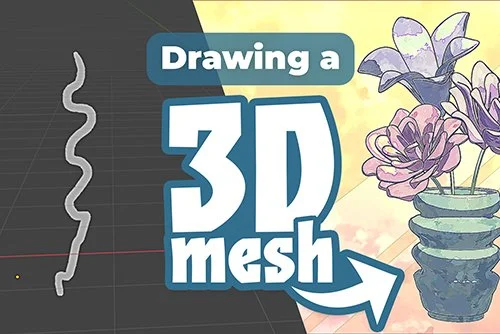
Source referenceTurn a hand-drawn profile into a mesh, validate it and 3D-print the resulting vase or desk object.
View details →Tried it? Share your experience →
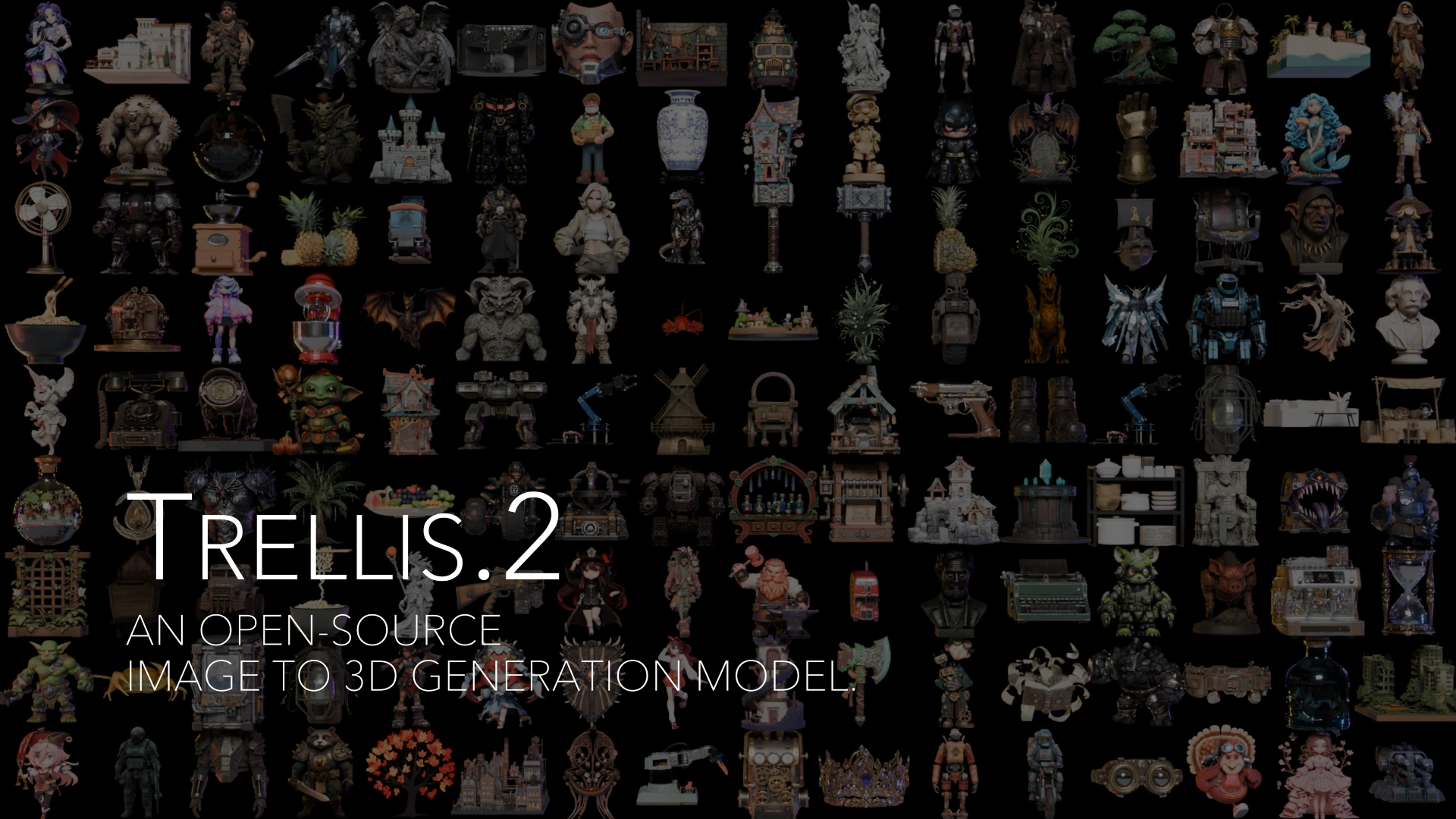
Source referenceGenerate an object mesh, repair geometry, validate dimensions and test-print; source proves 3D asset generation but not printable quality.
View details →Tried it? Share your experience →
Source referenceGenerate and edit owned artwork for a physical sign, printed panel or engraved object; proposed downstream use only.
View details →Tried it? Share your experience →Build an offline voice or caption interface into a custom device; toolkit supports embedded and mobile deployment, hardware integration remains proposed.
View details →Tried it? Share your experience →Collect accelerometer gestures for a handheld controller, train against real examples, and test unseen users and everyday non-gesture motion.
View details →Tried it? Share your experience →Create a sensor enclosure from measured board dimensions; inspect mounting holes and wall thickness, then print a fit prototype.
View details →Tried it? Share your experience →Generate three sizes of the same electronics enclosure and compare STEP output with a real board and fasteners.
View details →Tried it? Share your experience →Make a parametric cable organiser with configurable cable diameter, spacing and mounting holes; print fit samples before a full batch.
View details →Tried it? Share your experience →Model a four-bar linkage for a kinetic sculpture, inspect its path and interference, then build a low-load prototype.
View details →Tried it? Share your experience →Create a repeatable mounting-pattern operation or export a reviewed set of parts after a parameter change.
View details →Tried it? Share your experience →Prepare a board's documented output set after schematic and layout review, with electrical and design-rule reports retained.
View details →Tried it? Share your experience →Prototype a rotary-dial menu and status lights, verify input handling, then build and test the same supported circuit.
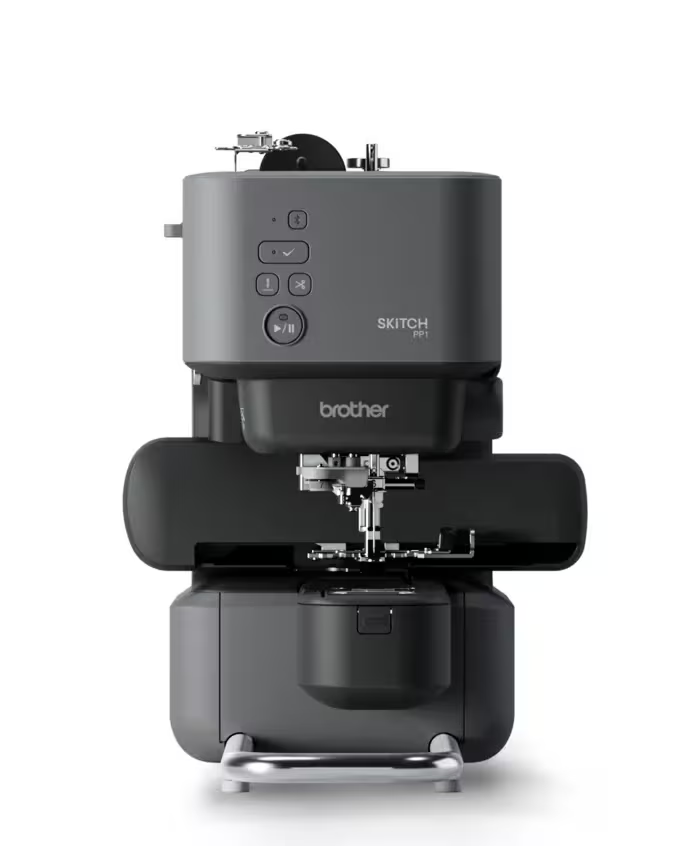
View details →Tried it? Share your experience →Create a small original patch, preview its stitch plan, then stitch on scrap fabric and adjust underlay, density and sequencing.
View details →Tried it? Share your experience →Prepare a shallow tray or fixture from a model, inspect roughing and finishing paths, then validate setup on the actual machine.
View details →Tried it? Share your experience →Nest a set of laser-cut enclosure panels, accounting for material, spacing and intended grain direction before cutting.
View details →Tried it? Share your experience →
Source referenceConfigure a small pen plotter's axes and limits, verify direction and travel, then run a simple drawing.
View details →Tried it? Share your experience →Compare owning, borrowing, makerspaces and fabrication services before paying for equipment you may only use occasionally.
CAD, vector, slicing and CAM tools turn a design into instructions the machine can use.
A useful object can combine processes. Compare routes to the result before choosing what to own.
Starting pointBring a sketch with dimensions, material needs and the intended use.
Try itChoose two plausible processes for a small enclosure or bracket. Adapt the design to each process and compare a sample or service quote using the same required fit and finish.
Make something you can reviewTwo process-specific designs and a comparison of time, total cost, fit and finish.
Judge the resultInclude preparation, supports or fixtures, finishing, failed parts and access costs. A cheaper machine does not automatically make the cheaper part.
Compare access and alternatives →Starting pointKnow the dimensions and interfaces between the parts you want to join.

Try itPrototype the joining detail first: hole spacing, alignment and assembly access. Use a small coupon to test the interface before making the full assembly.
Make something you can reviewAn assembly sketch, interface dimensions and a tested joining sample.
Judge the resultCan you assemble, adjust and take it apart with the tools available? Check process guidance for material and orientation limits.
Read Prusa’s design guidance →Starting pointHave one working prototype and a way to measure the important dimensions.
Try itIdentify the few dimensions that control fit. Make a small batch using recorded settings, measure each result and change one variable if they differ.
Make something you can reviewA settings record, measurements and a clear accept/rework decision.
Judge the resultDistinguish a machine specification from your measured process. Consider consumables, setup, servicing and inspection time.
Explore measurement equipment →Explore these sources, then use the ideas board to propose what is missing, develop a completion route or share a documented result. A source listing is not a CAIBI assessment of everything it publishes.
Find electronics, wearables and creative making guides. Useful foundations for an AI-assisted adaptation.
Adafruit on X ↗Explore boards, sensors and edge-AI hardware, then follow the product documentation for compatibility.
Seeed Studio on X ↗Find printable designs and maker reports. Check each model's licence, dimensions and evidence before adapting it.
Source links checked 16 September 2026.
Explore ideas to develop → · Found a build, useful source or something we missed? Send it to CAIBI →