

Small or open-frame machines can be excellent for PLA and PETG without paying for capabilities you may never use.
COMMON · EQUIPMENT GUIDE
FDM 3D printers
Turn CAD and downloadable models into enclosures, brackets, mechanisms, jigs and finished parts.
EnclosuresBracketsFixtures and jigsMechanismsRapid prototypes
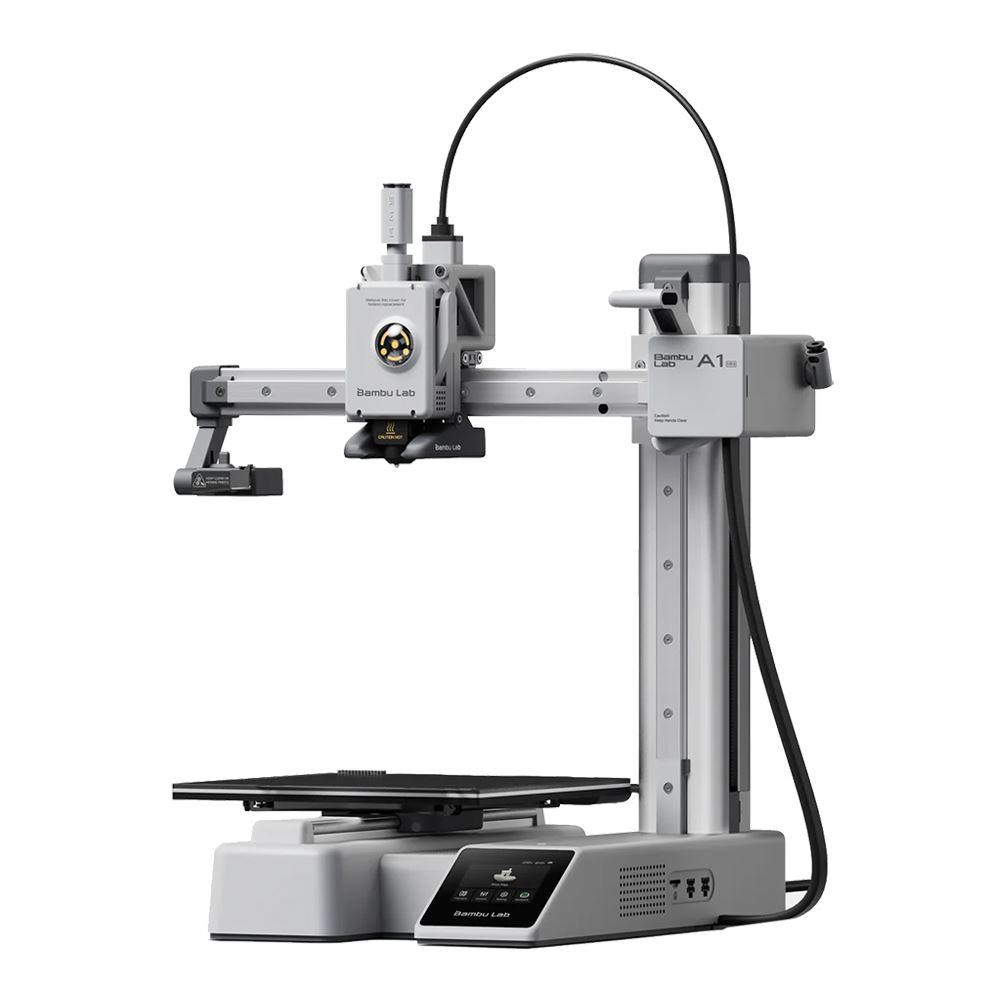
FEATURED MULTI-REVIEWEDA1 miniFrom £169 when checked
THE QUESTIONHow much printer do you need before the machine stops being the limiting factor?
LISTED OPTIONS7
MULTI-REVIEWED5
What changes as the budget rises
Larger build areas, better automation and faster iteration matter if the printer becomes a regular workshop tool.
Enclosures, engineering materials and multi-material workflows matter only when your builds genuinely need them.
COMPARE THE ACTUAL OPTIONS
Compare models and tools
Manufacturer claims, independent reviews and owner evidence stay separate. Current products are kept apart from discontinued equipment and used-market references.
Compare the same job, not just the price.
Read each model in the same order: price and scope, best use, limitations, then the assessment. Match your material, working size and required output first. Include accessories, consumables, software and workspace needs before deciding.
MULTI-REVIEWEDBambu Lab · budget
A1 mini
From £169 when checkedCompact, automated FDM printer aimed at straightforward PLA, PETG and TPU printing where 180 mm build volume is enough.
BEST FOR
A first printer, small enclosures and brackets, desktop space and builders who value automation over tinkering.
WATCH180 x 180 x 180 mm build volume · Open-frame machine
CAIBIThe strong low-cost starting point when 180 mm is genuinely enough.Open assessment →
 MULTI-REVIEWED
Bambu Lab · budget
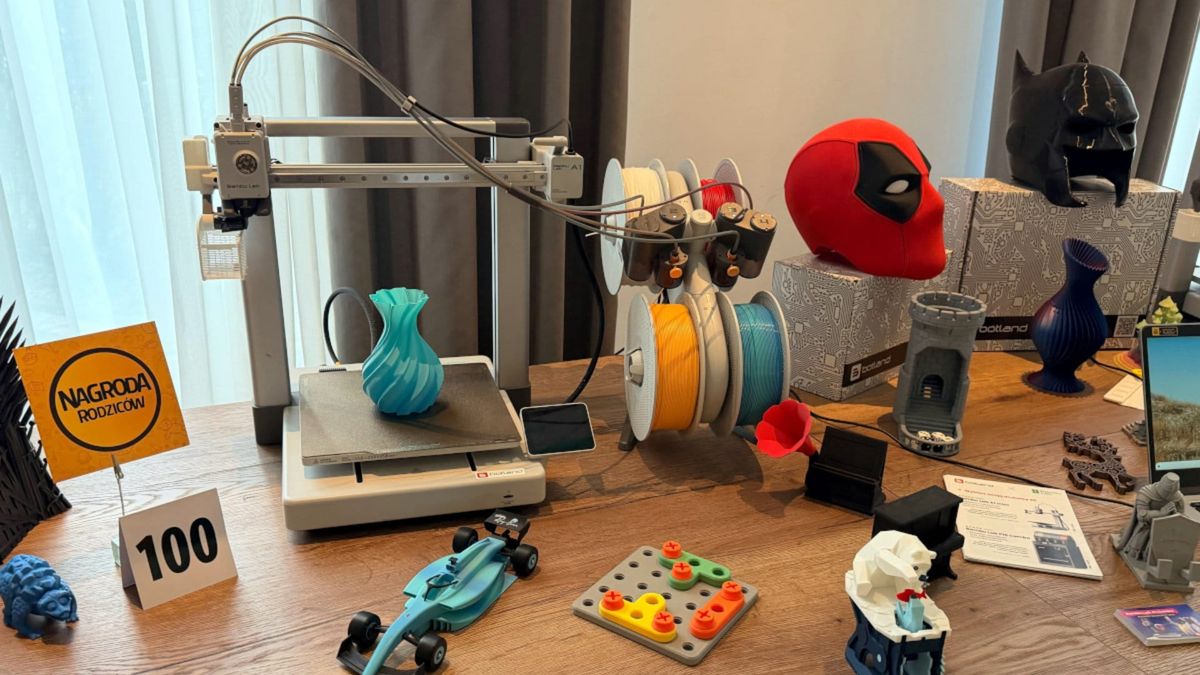
A1
From £259 when checkedFull-size open-frame FDM printer with extensive automatic calibration and a 256 mm cube build volume.
BEST FOR
General maker printing, larger enclosures and fixtures, and people who want an easy printer without paying for an enclosure they do not need.
WATCHOpen-frame design · 100 °C maximum build plate temperature
CAIBIThe value sweet spot for an AI builder who mainly prints PLA and PETG but wants full-size parts.Open assessment →
 MULTI-REVIEWED
Bambu Lab · mid-range
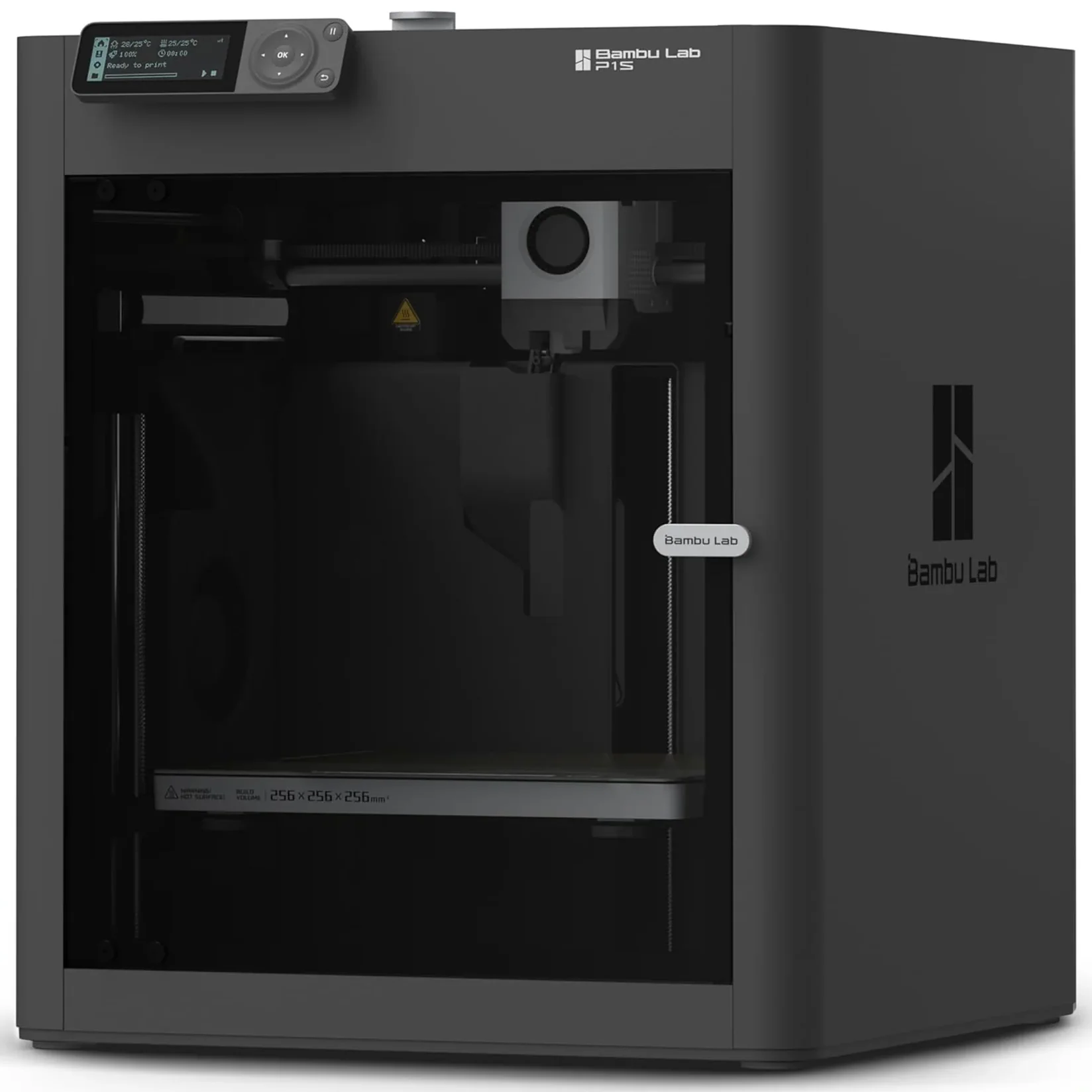
P1S
Current UK store pricing varies by P1S configuration and promotionEnclosed 256 mm CoreXY FDM printer that extends the Bambu workflow into ABS and ASA while retaining high-speed automated printing.
BEST FOR
Builders who expect to move beyond PLA and PETG, want an enclosure and still value a largely appliance-like workflow.
WATCHStandard stainless nozzle is not the ideal route for abrasive fibre-filled materials · No actively heated chamber
CAIBIThe sensible Bambu step-up when enclosure and broader materials are real requirements rather than future-proofing theatre.Open assessment →
 MULTI-REVIEWED
Elegoo · mid-range
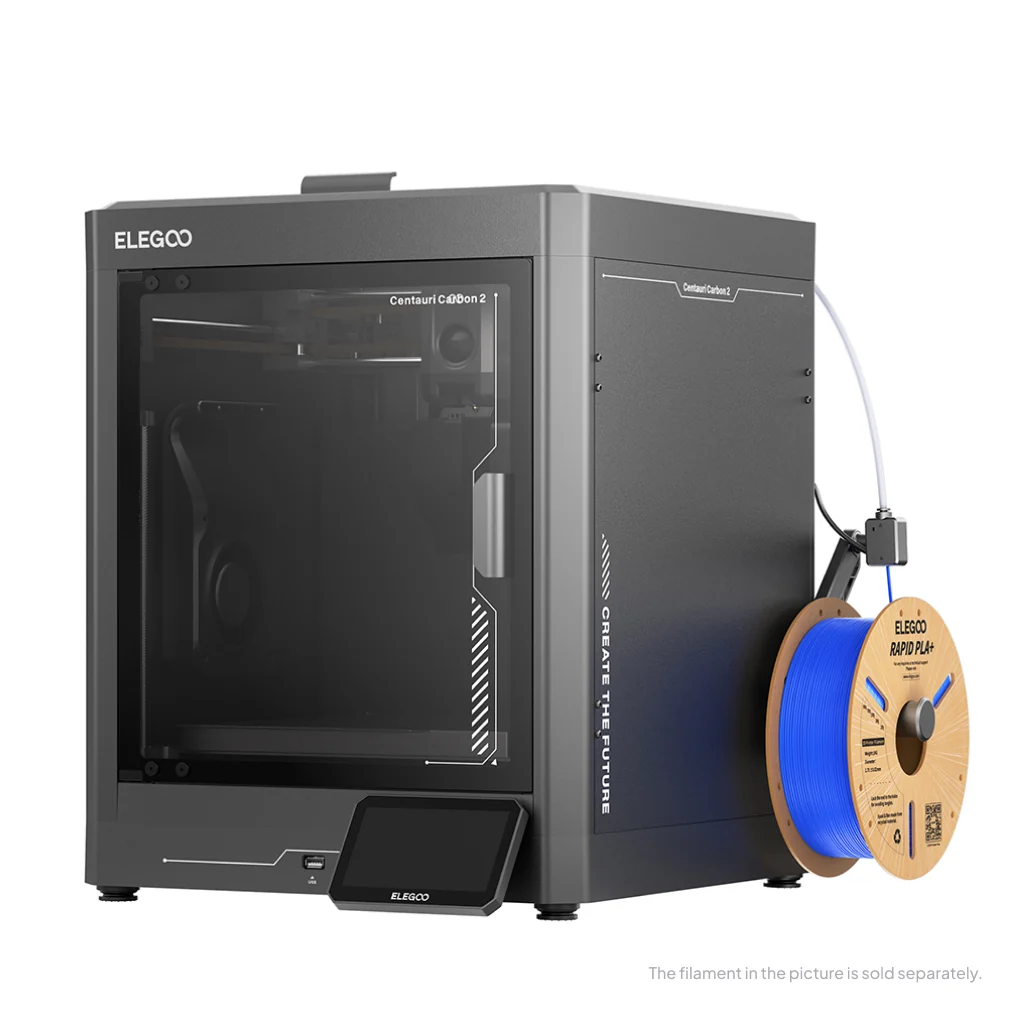
Centauri Carbon 2
£299 sale / £309 regular when checkedEnclosed 256 mm CoreXY FDM printer with a 350 °C hardened-steel nozzle, automatic calibration and a high material capability claim at an aggressive UK price.
BEST FOR
Builders who want enclosure and engineering-material headroom without moving immediately into premium printer pricing.
WATCHMaterial capability is manufacturer-rated and still needs real-world review evidence in CAIBI · CANVAS multi-colour hardware is separate unless buying the Combo
CAIBIExceptional specification per pound on paper, but CAIBI should keep the verdict provisional until independent reliability evidence is stronger.Open assessment →
 PROVISIONAL
Prusa Research · premium
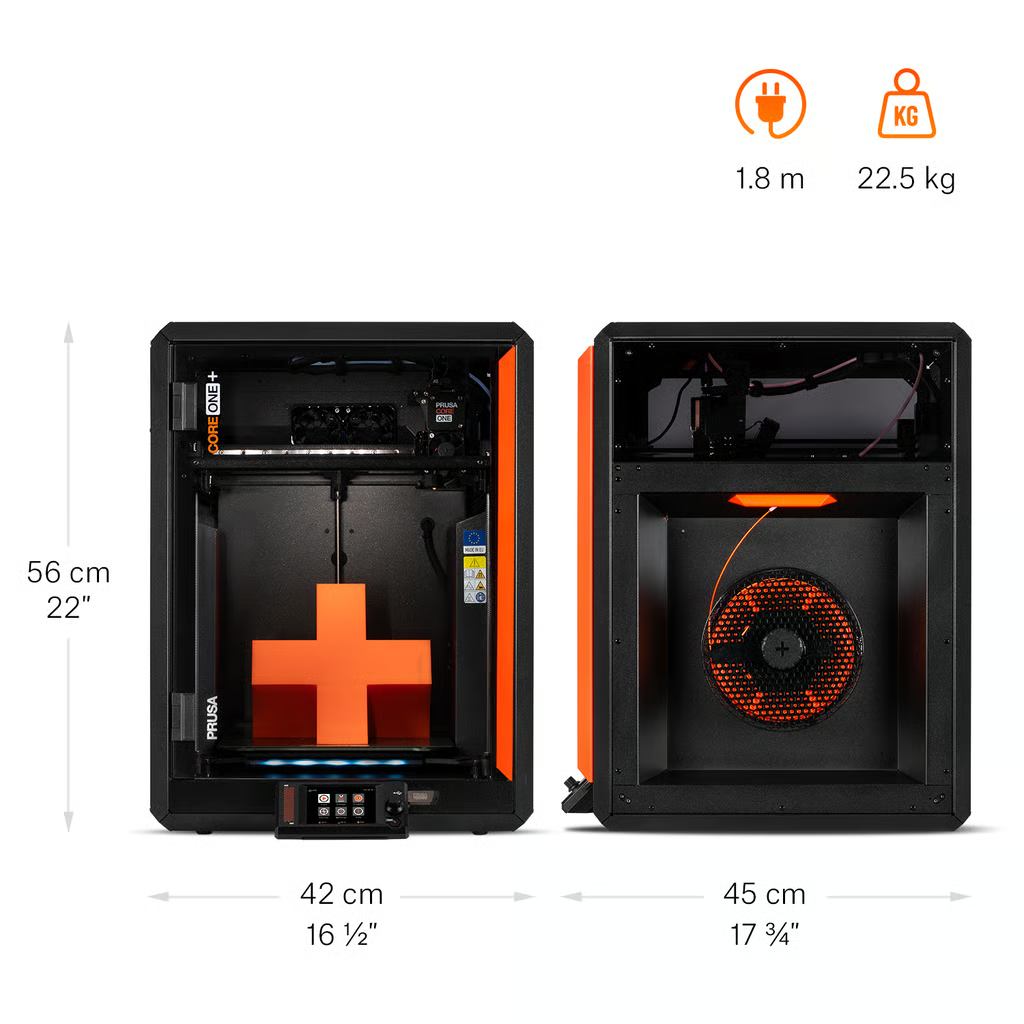
CORE One+ (Gen 2)
€1,349 assembled / €1,049 kitRepairable enclosed CoreXY printer with active chamber control, local/offline operation and an unusually open hardware and software position.
BEST FOR
Builders who value repairability, open files, offline operation, long-term support and demanding materials enough to pay substantially more.
WATCHFar higher purchase price than strong consumer alternatives · Optional filtration and camera rather than standard
CAIBIA premium ownership proposition based on repairability, openness and controlled materials rather than headline speed or bargain hardware.Open assessment →
 MULTI-REVIEWED
Snapmaker · premium
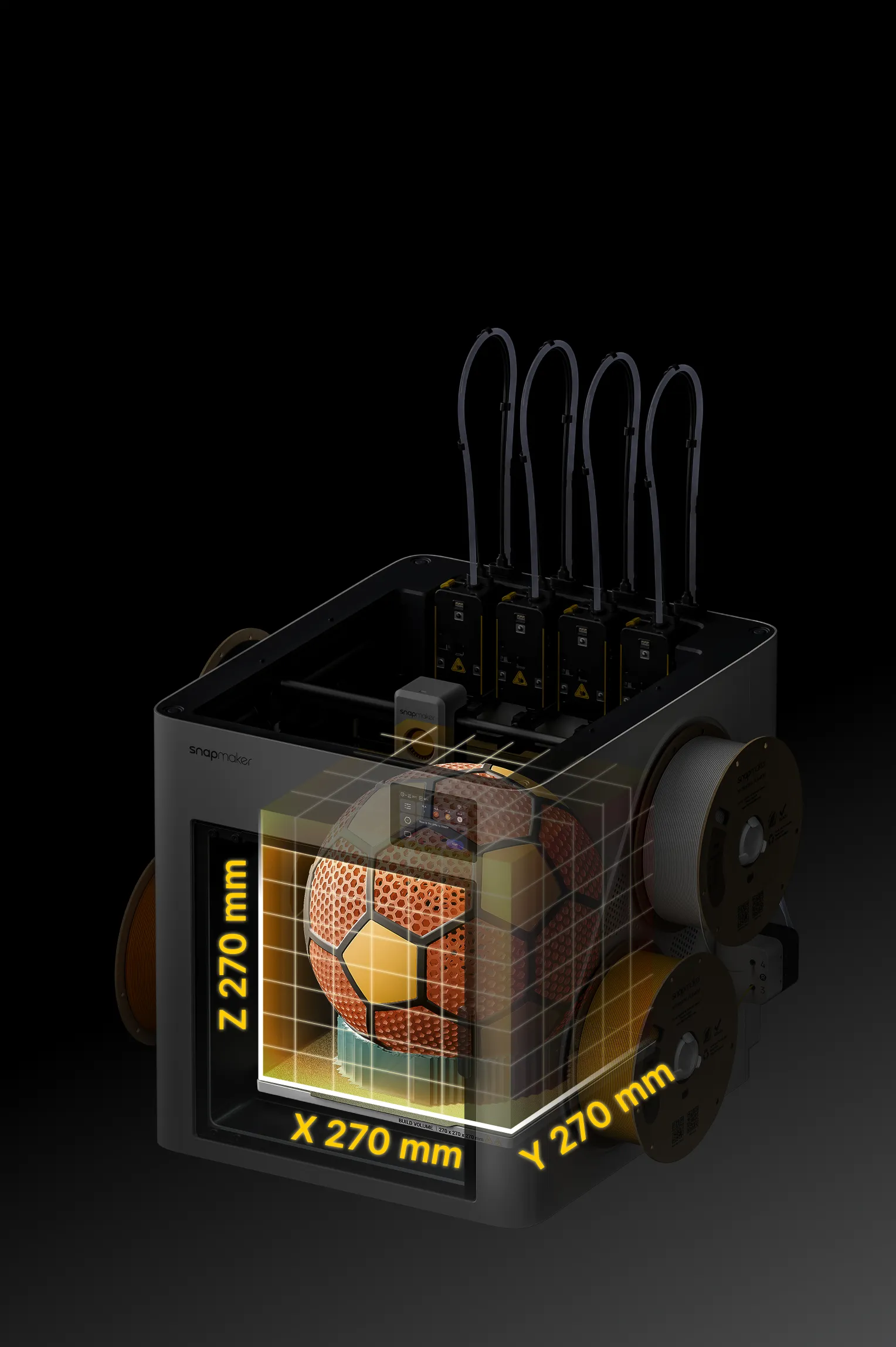
U1
£781.57 incl. VATFour-toolhead CoreXY printer designed to make multicolour and multimaterial printing faster and less wasteful than single-nozzle feeder systems.
BEST FOR
Builders who genuinely use multi-colour or multi-material printing enough for tool-changing speed and reduced purge waste to matter.
WATCHMore mechanically complex than a conventional single-tool printer · Top cover is optional
CAIBIA genuinely different multicolour architecture with strong early evidence, but the benefit is concentrated among people who regularly need colour or material changes.Open assessment →
bambulab.comBambu Lab H2D
Discovered · Not yet assessed
Bambu Lab H2D
A dual-nozzle printer platform with optional laser, cutting and plotting capabilities, suitable for exploring whether one machine can support a small creative workshop.
FIRST EXPERIMENT
Compare the printer-only configuration with the processes you actually need; inspect a multi-material test part.
What to try & help us assess
First experiment: Compare the printer-only configuration with the processes you actually need; inspect a multi-material test part.
Budget scope: Unknown: current complete UK price not verified.
Source position: Documented manufacturer/project documentation verified; CAIBI has not tested this product.
Help us find out: Do module changes and additional equipment make this genuinely more practical than separate machines?
HELP US ASSESS IT
Do module changes and additional equipment make this genuinely more practical than separate machines?
Explore source ↗Tried it? Share your experience →