BY PROCESS
Where access can beat ownership
These are route decisions, not service-price quotes. Open each category for current product evidence and buying guidance.
 SERVICE / MAKERSPACE
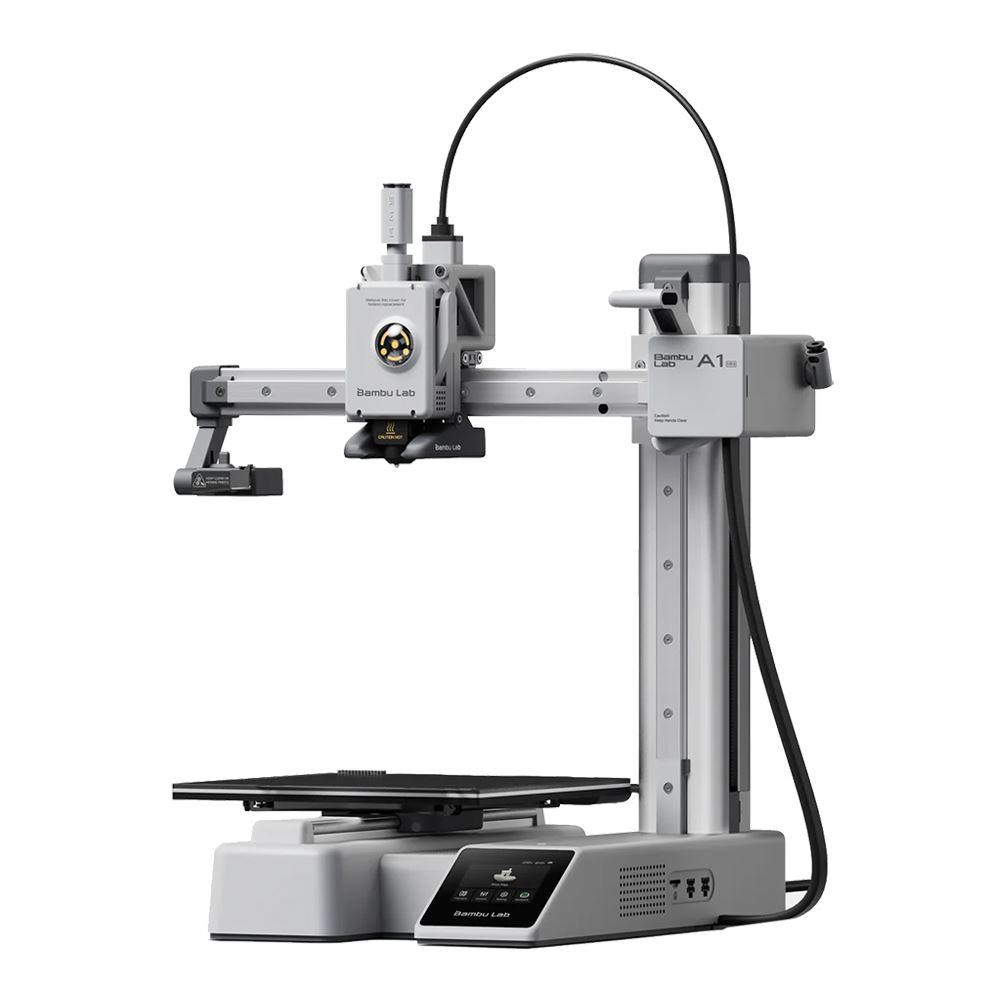
FDM 3D printers
Turn CAD and downloadable models into enclosures, brackets, mechanisms, jigs and finished parts.
ACCESS / OUTSOURCE IS STRONGEST WHENA one-off part with known dimensions and no expected fit iteration.
OWNING BECOMES USEFUL WHENYou expect repeated prototypes, fit checks or regular custom parts.
DO NOT FORGETA cheap outsourced first part can become slow if the design needs several physical revisions.
 SERVICE / MAKERSPACE
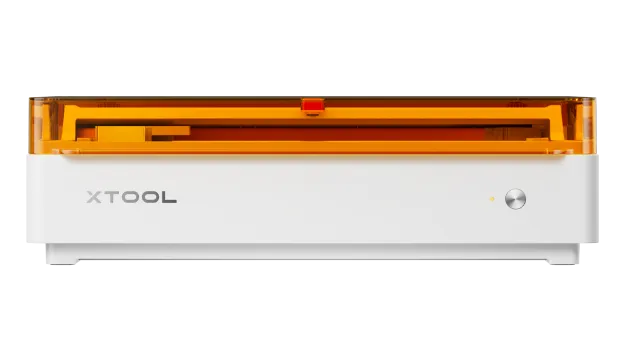
Laser cutters & engravers
Cut and engrave sheet materials for panels, enclosures, templates, signage and repeated flat parts.
ACCESS / OUTSOURCE IS STRONGEST WHENOccasional cutting where ventilation, fire safety and machine maintenance would otherwise dominate the decision.
OWNING BECOMES USEFUL WHENYou repeatedly iterate flat parts, engraving, templates or production batches and can support the machine safely.
DO NOT FORGETMaterial compatibility and extraction matter as much as the vector file.
 OUTSOURCE / MAKERSPACE
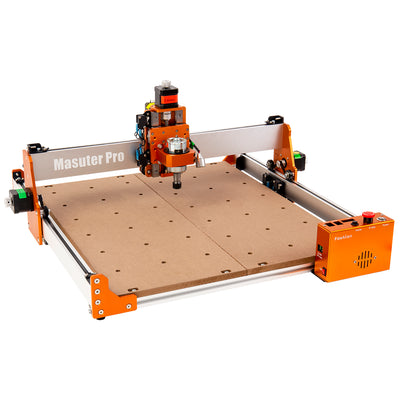
CNC routers & mills
Machine accurate parts from wood, plastics and metals when printing or laser cutting is not the right process.
ACCESS / OUTSOURCE IS STRONGEST WHENOccasional precision parts, especially when the material or tolerance exceeds a desktop machine you would realistically own.
OWNING BECOMES USEFUL WHENFast iteration, workholding experiments or repeated machining justify having the process under your control.
DO NOT FORGETThe machine is only part of CNC. Tooling, workholding, dust or chips, setup and CAM remain part of the job.
 SERVICE / SHARED ACCESS
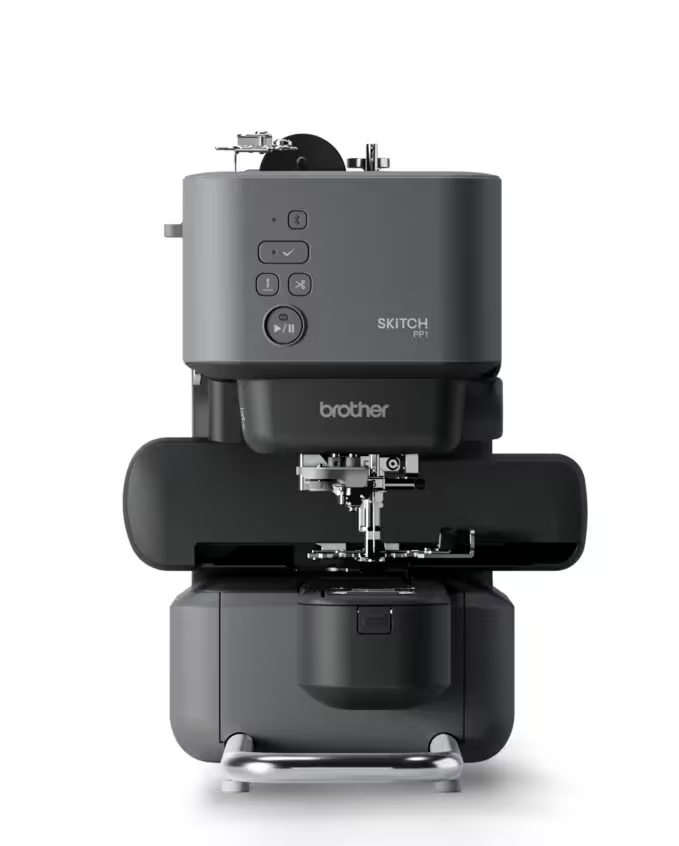
Embroidery machines
Turn digital artwork into stitched motifs, labels, logos and decoration on clothing, bags and textile objects.
ACCESS / OUTSOURCE IS STRONGEST WHENA small number of finished garments when you do not need to learn digitising, hooping and machine setup yourself.
OWNING BECOMES USEFUL WHENYou want repeated personalisation, rapid design changes or control over placement, thread and test runs.
DO NOT FORGETOwning the machine does not remove digitising, stabiliser choice, hooping and fabric-specific testing.
 TRANSFER SUPPLIER / PRINT SERVICE
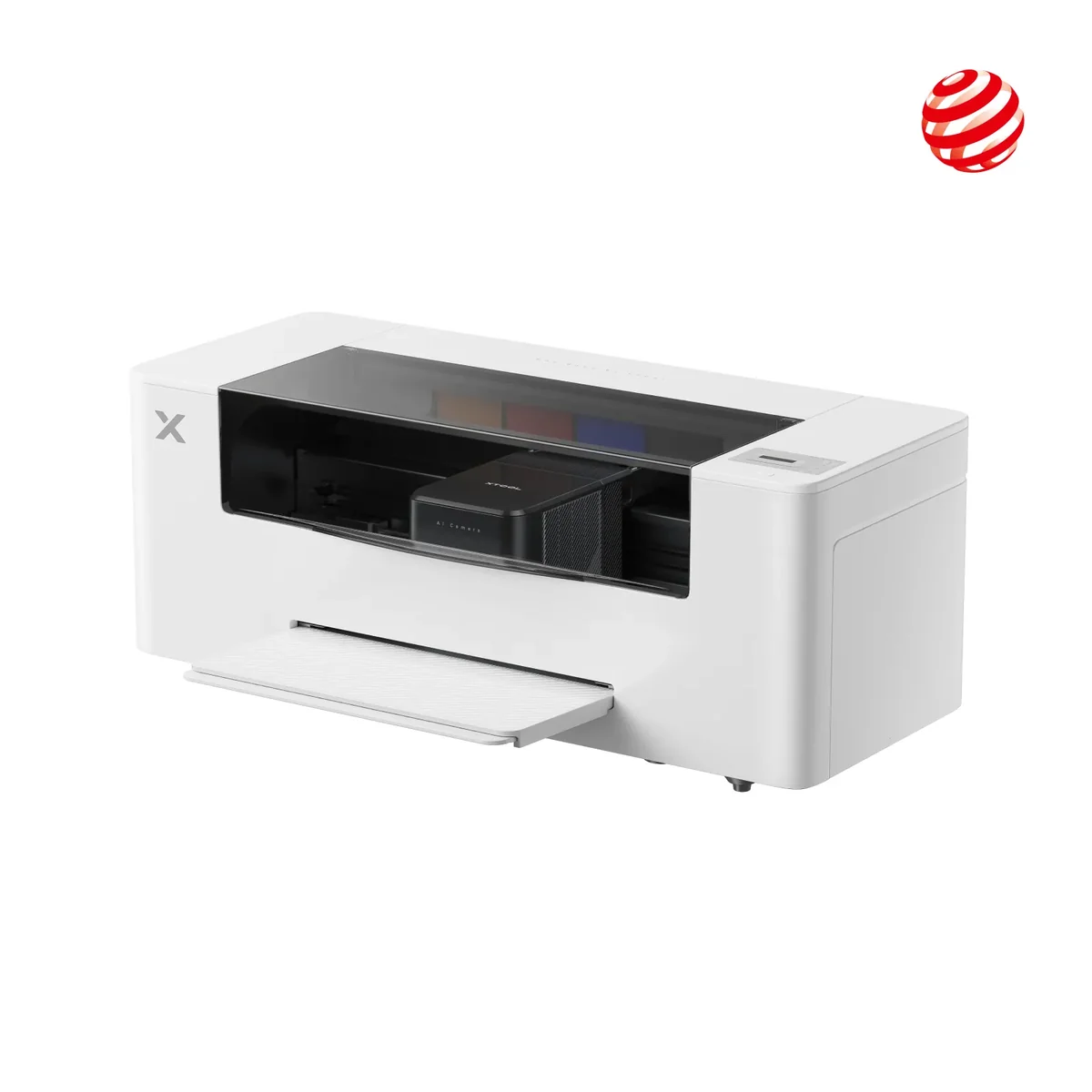
DTF apparel printers
Print full-colour transfers for cotton, polyester, blends and dark garments without the polyester-only restriction of sublimation.
ACCESS / OUTSOURCE IS STRONGEST WHENLow or irregular apparel volume where buying ready-to-press transfers avoids maintaining a complete print workflow.
OWNING BECOMES USEFUL WHENVolume and turnaround make control of printing, powder, curing and colour workflow valuable enough to justify the equipment.
DO NOT FORGETThe printer is part of a process, not the whole process. Consumables, maintenance and curing remain operational work.
 DIRECT-TO-OBJECT SERVICE
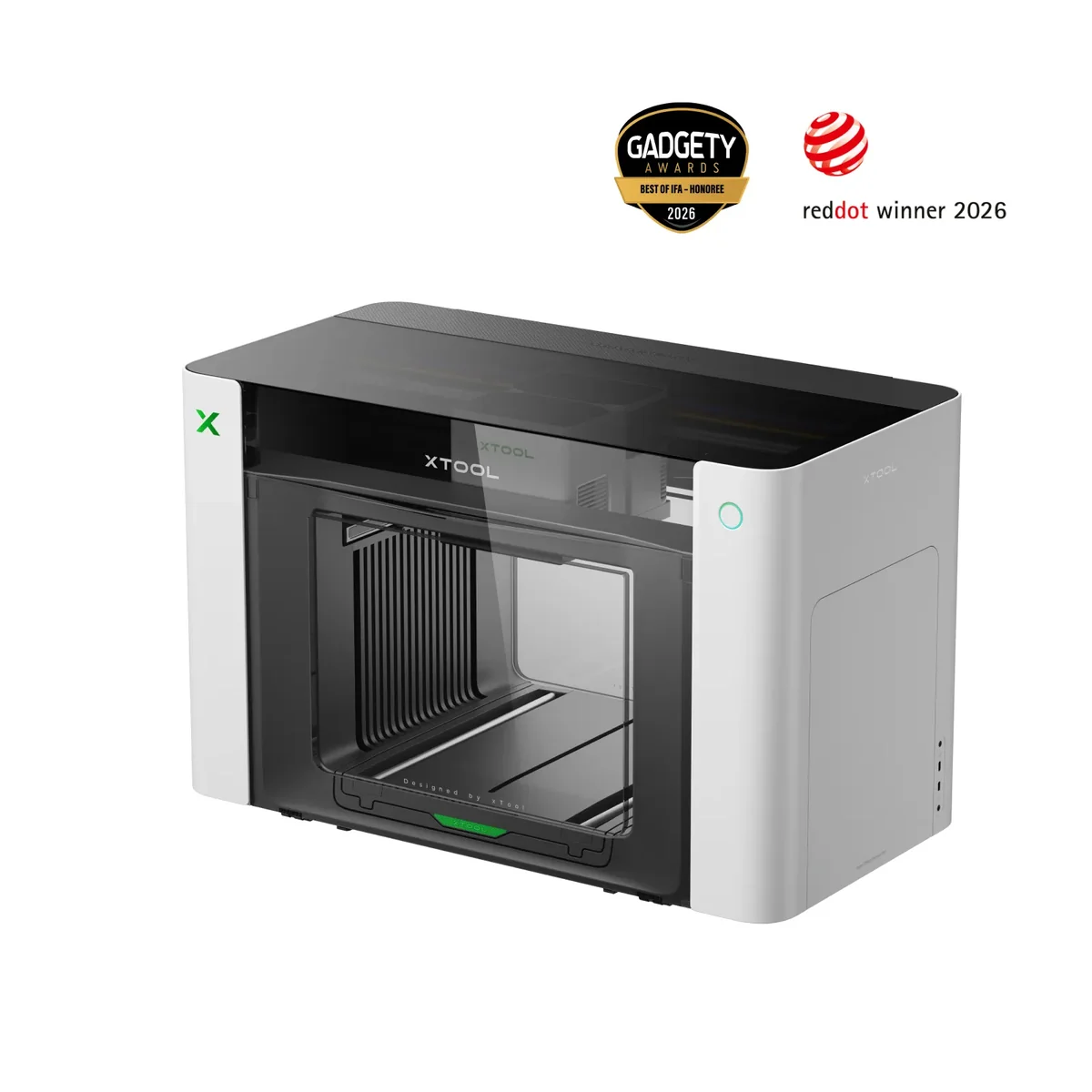
UV & direct-to-object printers
Print full-colour artwork, white ink and effects directly onto rigid objects such as acrylic, wood, glass, leather, metal, cases and promotional products.
ACCESS / OUTSOURCE IS STRONGEST WHENOccasional personalised objects where you can supply artwork and let a specialist handle printing, fixtures and surface setup.
OWNING BECOMES USEFUL WHENFrequent custom objects, prototyping or production need fast iteration across substrates you have already proven.
DO NOT FORGETObject shape, surface preparation, adhesion and fixturing can decide whether the artwork survives real use.
 TRANSFER SUPPLIER / PRINT SERVICE
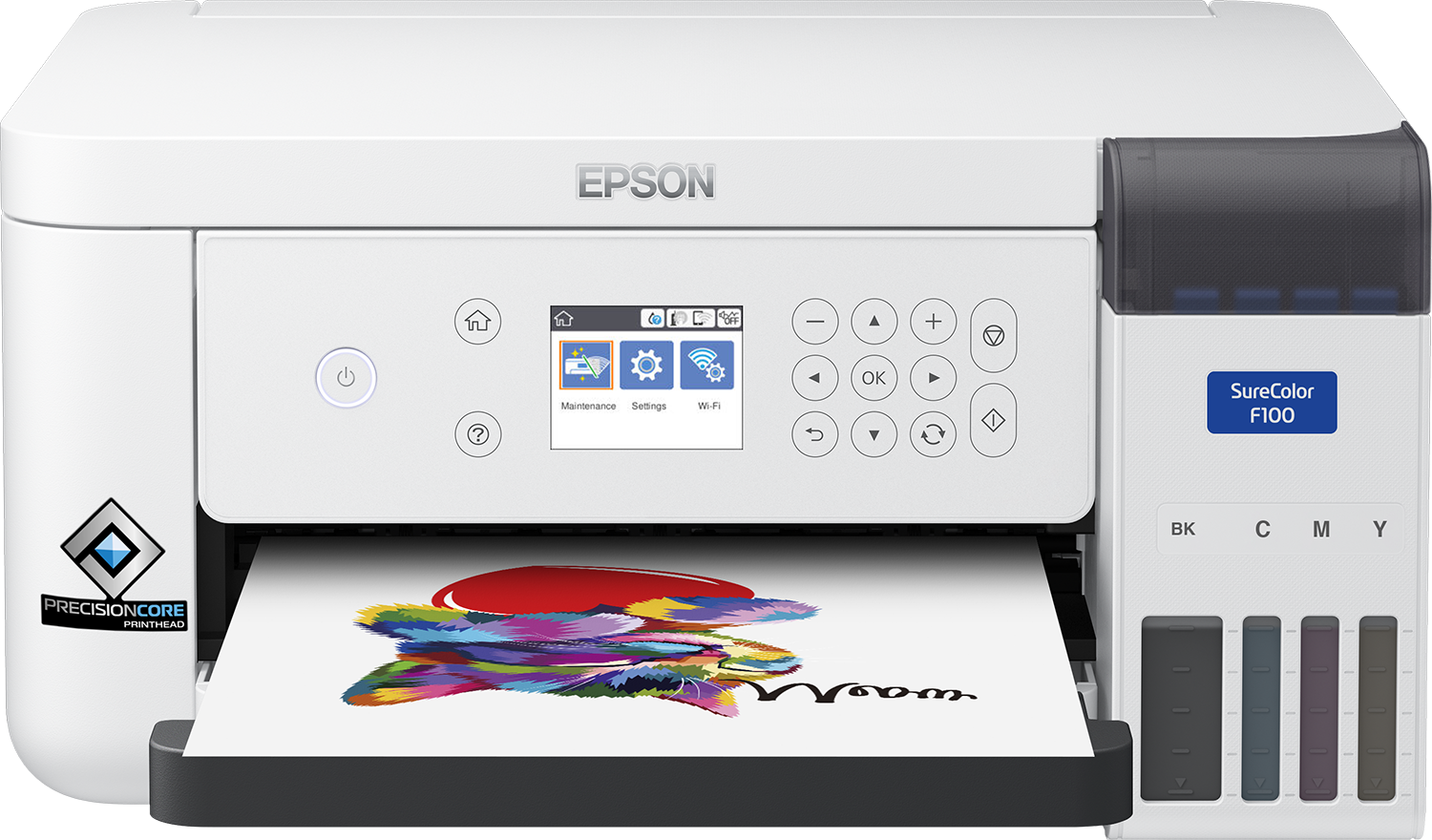
Sublimation printers
Print artwork with dye-sublimation inks so a heat press can permanently transfer it into compatible garments, mugs, bags, panels and coated blanks.
ACCESS / OUTSOURCE IS STRONGEST WHENOccasional designs where buying a transfer or finished print avoids holding ink, paper and colour-management equipment.
OWNING BECOMES USEFUL WHENYou regularly change artwork or need same-day iteration across compatible blanks.
DO NOT FORGETSublimation still depends on compatible coatings or polyester content plus controlled heat and pressure.